唱筹量沙:檀道济的绝境妙计
公元430年 | 刘宋 · 檀道济 vs 北魏
一、北伐名将的困境
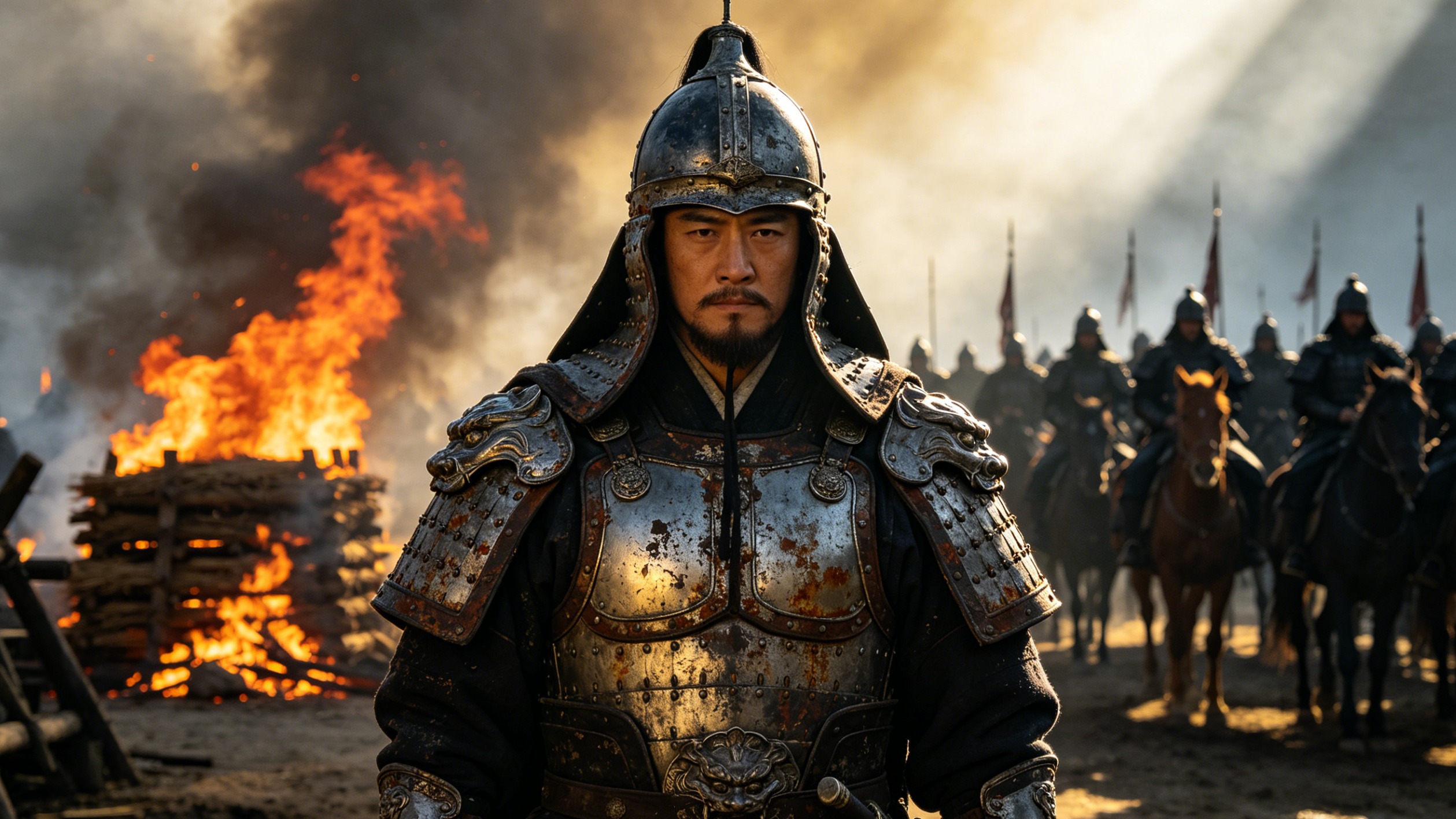
公元430年,南朝宋文帝刘义隆发动北伐,意图收复被北魏占据的河南之地。他任命开国元勋、名将檀道济为都督征讨诸军事。檀道济出身寒门,却凭借赫赫战功成为刘宋最耀眼的将星。他率军北上,转战三十余仗,多半获胜,一路势如破竹。
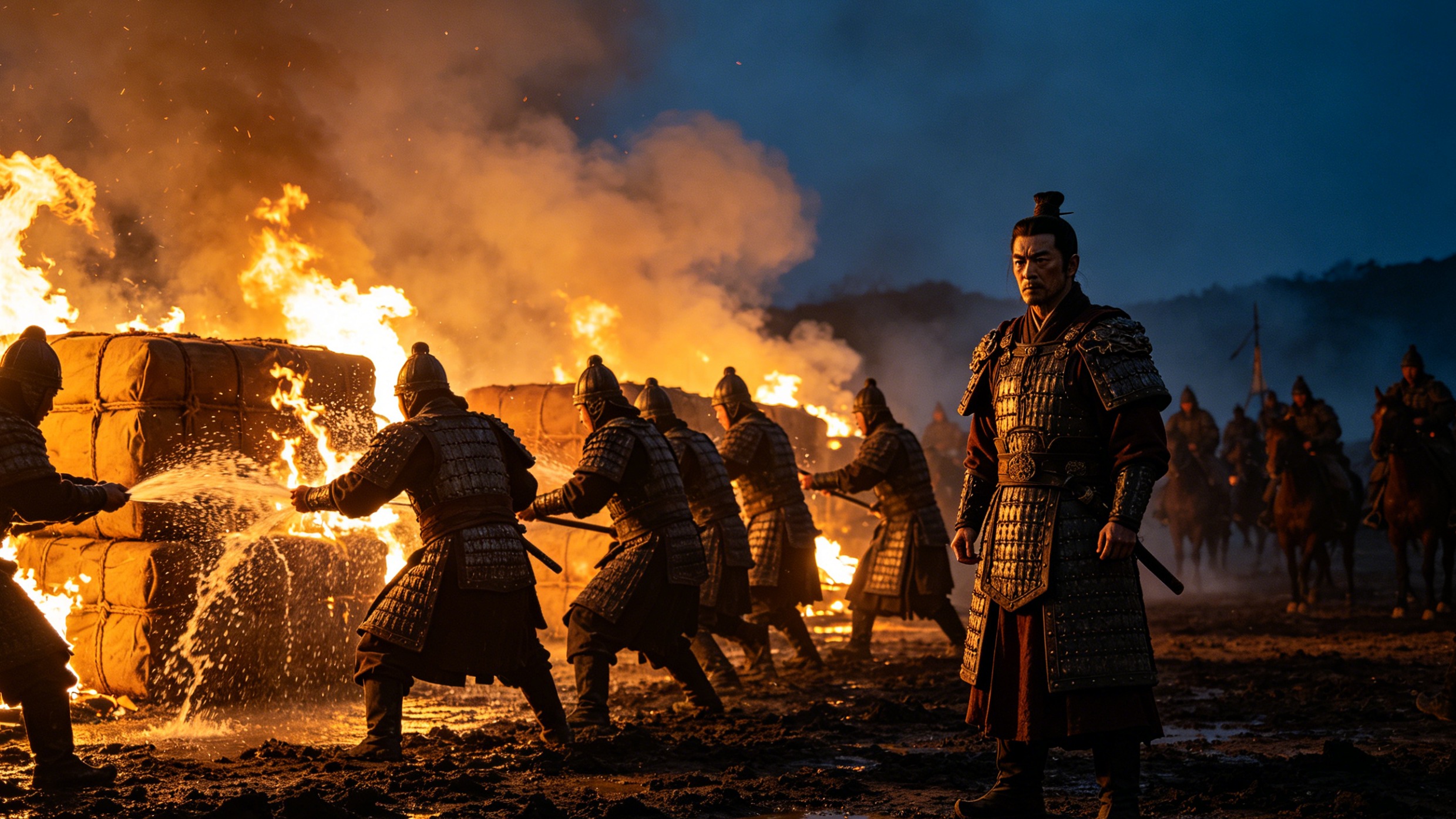
然而深入敌境之后,粮道越拉越长。北魏派出两支精锐轻骑,绕到宋军后方,一把火烧了辎重粮草。檀道济望着冲天的火光,面色铁青——军中断粮,意味着北伐大业即将功亏一篑。他咬牙下令:撤军。
可更大的危机接踵而至。一名宋军士兵趁夜逃入北魏大营,将檀道济粮尽的消息和盘托出。北魏将领大喜过望:“檀道济已是瓮中之鳖!”随即亲率大军追击,将宋军团团围困在历城(今山东济南)。
二、夜幕下的计谋
夜色渐浓,宋军大营陷入死一般的寂静。士兵们蜷缩在帐篷里,饥肠辘辘,士气低落。北魏的探子潜伏在营外暗处,竖起耳朵监听营中的动静——只要确认宋军粮尽,明日便可发动总攻。
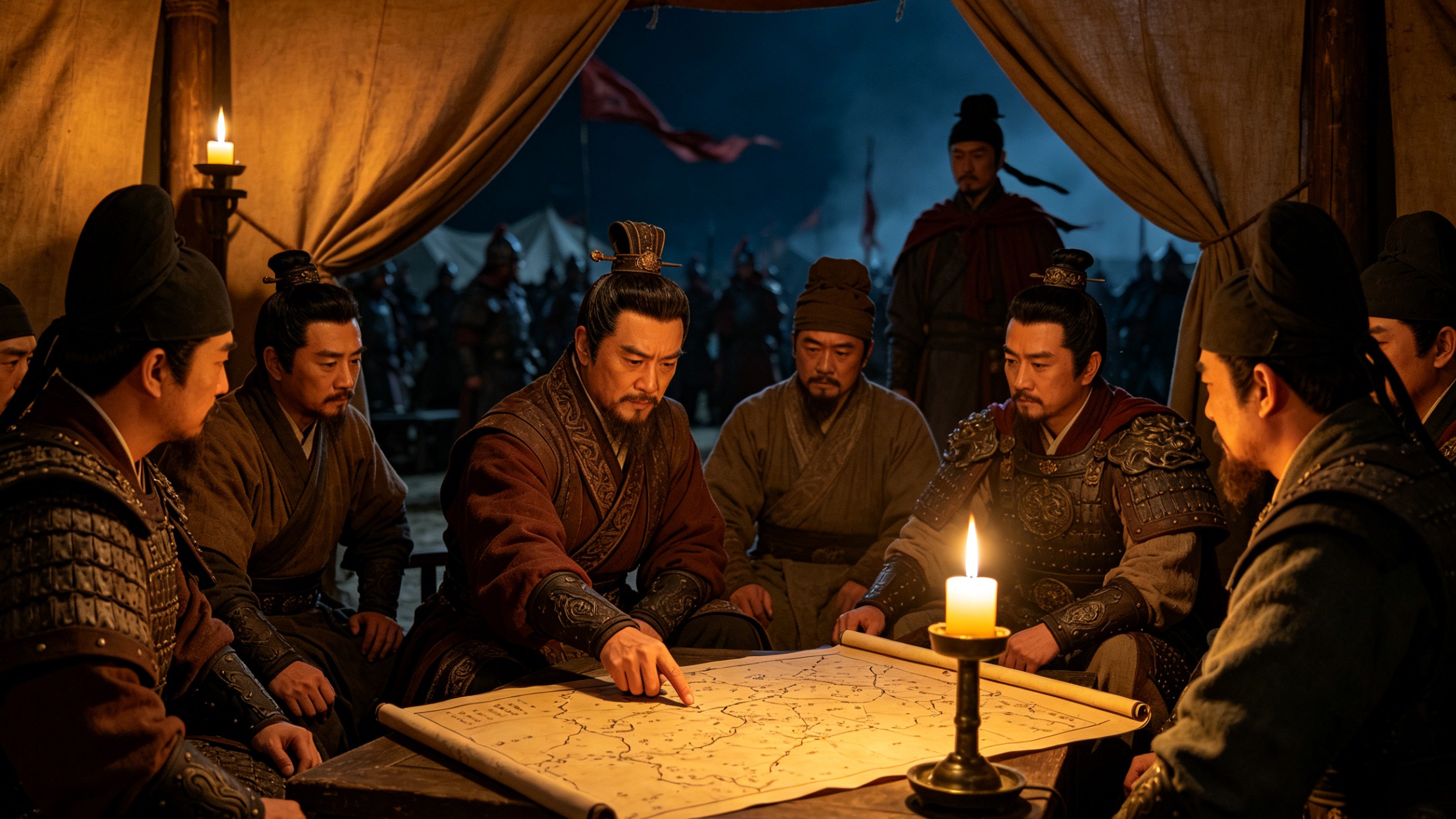
檀道济站在营帐中,来回踱步。帐外忽然传来魏军探子窸窸窣窣的声响,他猛地停住脚步,眼中寒光一闪——一个大胆的计划在脑海中成型。
“传令下去。”檀道济压低声音对亲兵说,“把所有能用的人手都调来粮仓。把沙子装进米袋,堆成粮堆。再找些白米,撒在沙堆最上面。然后——”他顿了顿,“让管粮的士兵点起火把,大声唱筹计数,我要让三里外的魏军都听得清清楚楚。”
三、唱筹量沙
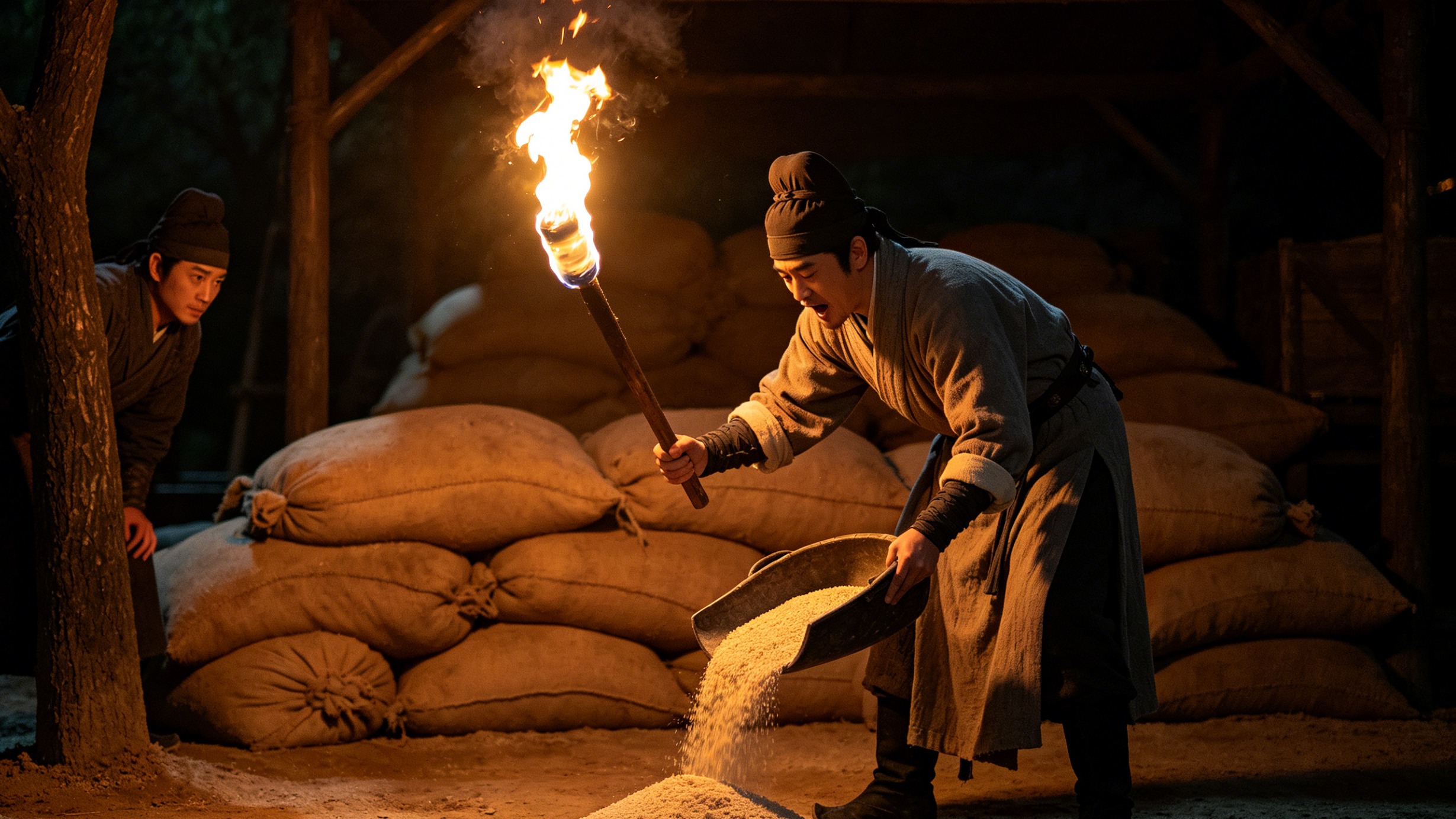
半个时辰后,宋军大营忽然灯火通明。数十支火把将粮仓区域照得亮如白昼。檀道济亲自站在粮堆旁,面色从容。士兵们排成一列,有人用斗量“米”,有人手持竹筹高声唱数:“一石!二石!三石……”唱筹声此起彼伏,在寂静的夜空中传出很远。
北魏探子躲在暗处,瞪大了眼睛——火光照耀下,只见粮仓里堆满了一袋袋“白米”,最上面还撒着晶莹的米粒。一个探子低声说:“不是说他们没粮食了吗?这分明是粮草充足啊!”另一个探子也慌了:“难道那个叛徒是诈降,故意引我们入套?”
消息传回北魏大营,将领们面面相觑。他们连夜审问那名投降的宋兵,可那宋兵被反复拷打后依然坚持说宋军确实断粮了。北魏将领冷笑:“断粮?那满营的粮食和唱筹声难道是假的?分明是诈降!”当即下令将那名宋兵推出帐外斩首。
四、全身而退
第二天清晨,当第一缕阳光照在历城大营时,北魏将领登上高处眺望——宋军大营中炊烟袅袅,士兵们正在生火做饭,米香隐约可闻。一名斥候来报:“报告将军!宋军营地粮草堆积如山,不像是缺粮的样子。”
北魏将领彻底打消了进攻的念头。他们认定那名投降的宋兵是檀道济派来的间谍,目的就是引诱魏军进攻,好让宋军以逸待劳。于是下令全军按兵不动,只远远监视。
檀道济等的就是这个时机。当夜,宋军悄无声息地拔营北撤。等到北魏发现上当、追到黄河边时,檀道济的大军早已渡河南归。全军将士、武器辎重,无一损失。
“唱筹量沙”从此成为千古美谈。然而这位智勇双全的名将,最终却没能逃脱帝王的猜忌——多年后,宋文帝以“莫须有”的罪名将檀道济处死。临刑前,他愤然掷冠于地:“你们这是在自毁长城!”一句“自毁长城”,道尽了多少开国功臣的悲凉宿命。
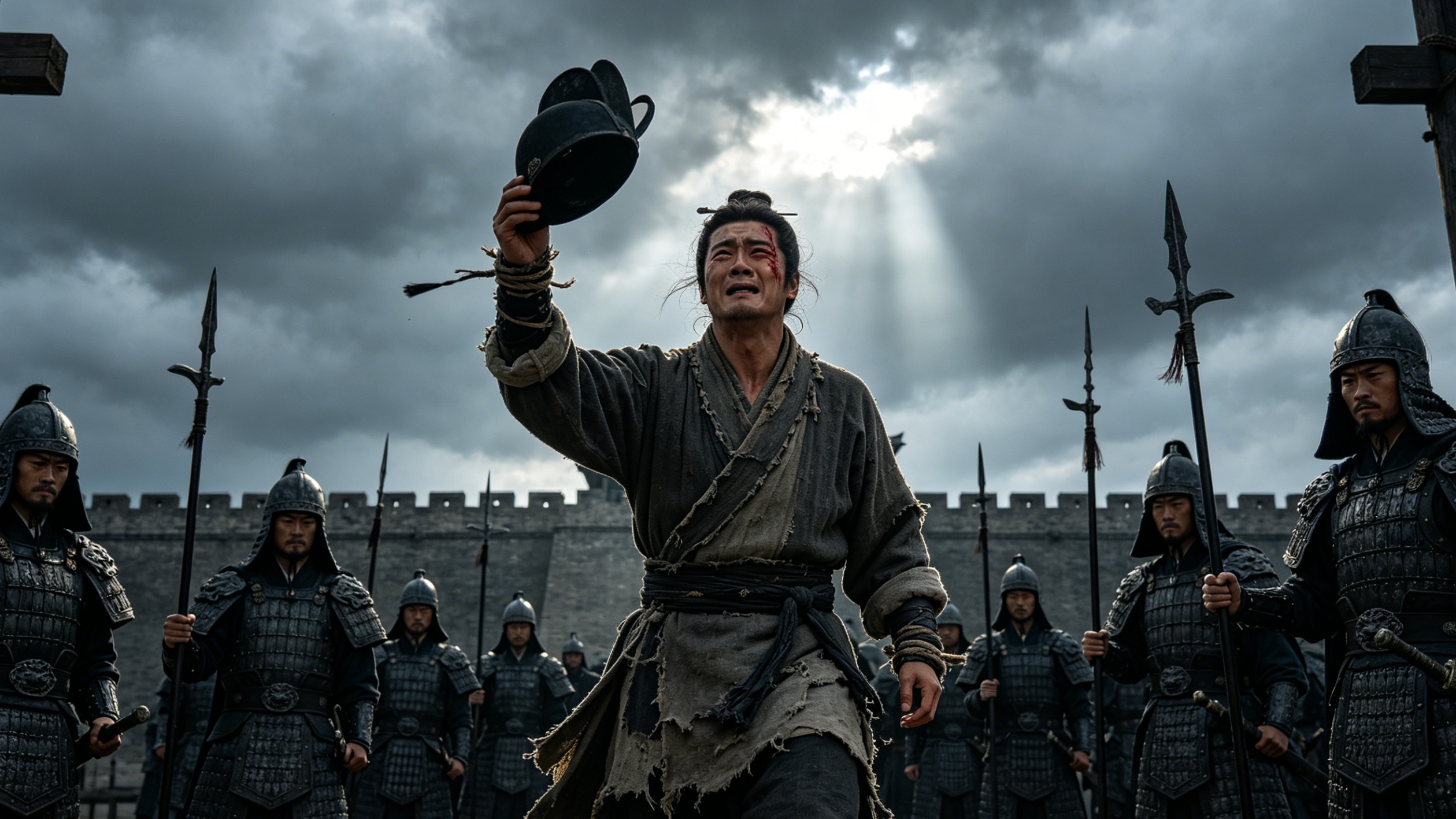
📖 历史小知识: “唱筹量沙”出自《南史·檀道济传》,是檀道济以沙充粮、迷惑敌军的经典计策。檀道济是刘宋开国元勋、著名军事家,被后人尊为“三十六计”的作者之一。他临刑前“自毁长城”的悲愤之言,成为千古叹息。
Counting Sand as Grain: Tan Daoji's Desperate Ruse
430 AD | Liu Song · Tan Daoji vs Northern Wei
I. The General's Predicament
In 430 AD, Emperor Wen of Liu Song launched a northern expedition to recover territories lost to the Northern Wei. He appointed Tan Daoji, a founding hero of the dynasty, as commander-in-chief. Though of humble origin, Tan had risen through his military brilliance to become the Song's most brilliant general. He won over thirty consecutive battles.
But deep in enemy territory, supply lines grew dangerously long. Wei light cavalry burned his grain supplies. Tan had no choice — he ordered a retreat. Then a soldier defected to the Wei camp, revealing that Tan's army had run out of food. The Wei commander surrounded the Song army at Licheng.
II. A Plan in the Dark
Night fell. The Song camp was deathly silent. Hungry soldiers huddled in their tents. Wei scouts lurked in the darkness, listening for any sign of weakness.
Tan Daoji paced in his tent. Then he heard the faint rustle of Wei scouts outside. He stopped — a bold plan formed in his mind. "Fill the grain sacks with sand," he ordered. "Sprinkle a little rice on top. Then have the supply officers light torches and count aloud — loud enough for the Wei to hear."
III. Counting Sand
Within an hour, the Song camp blazed with torchlight. Tan Daoji stood by the grain stores. Soldiers lined up, measuring "rice" and chanting counts: "One bushel! Two bushels! Three!"
The Wei scouts stared in disbelief — under the torchlight, they saw piles of "rice" sacks, with white grains scattered on top. "Was the defector lying?" they wondered. The Wei commander had the defector tortured and executed, convinced he was a spy sent by Tan.
IV. Escape
At dawn, Wei scouts reported cooking fires and the smell of rice from the Song camp. Convinced Tan had ample supplies, the Wei commander called off the attack.
That night, Tan's army slipped away. By the time the Wei realized they had been deceived, Tan had already crossed the Yellow River — his entire army and supplies intact. "Counting sand as grain" became a legend. But the brilliant general could not escape the emperor's suspicion — he was later executed on false charges.
📖 Historical Note: "Counting sand as grain" comes from the Book of Southern History. Tan Daoji was a founding hero of the Liu Song and is regarded as one of the authors of the "Thirty-Six Stratagems". His final words — "You are tearing down your own Great Wall" — have echoed through history.