The Bodhisattva Emperor: Four Times a Monk
502-549 AD | Liang Dynasty · Xiao Yan
👑 From Good Ruler to 'Bodhisattva'
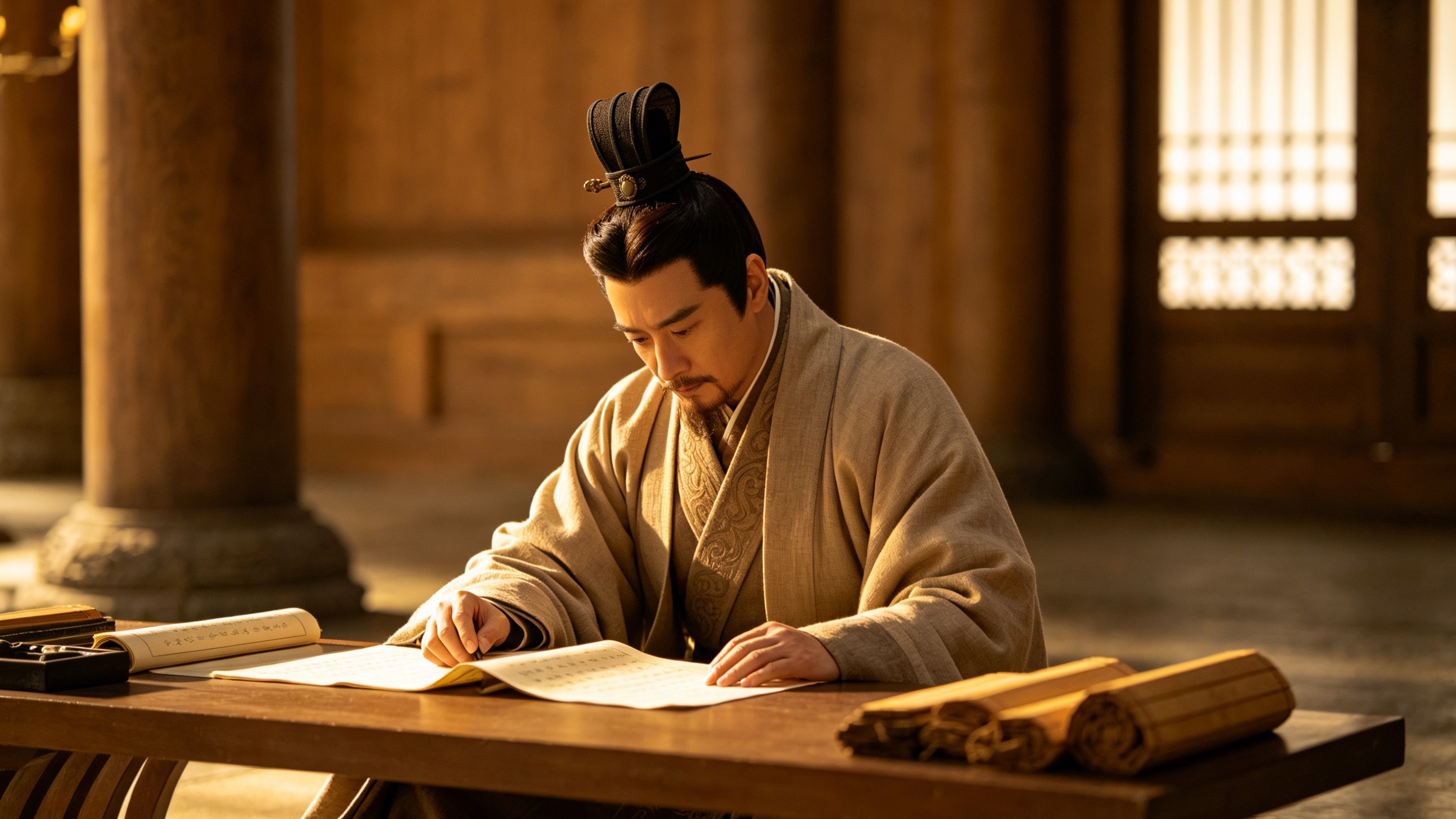
If there were a list of the most absurd emperors in Chinese history, Emperor Wu of Liang (Xiao Yan) would surely rank near the top.
The founding emperor of the Liang dynasty was initially known for his frugality and diligence. He wore the same crown for three years and used the same quilt for two years. His reputation was excellent. But after more than forty years on the throne, this once-bright monarch took a bizarre turn — he became obsessed with Buddhism, to an extreme degree.
A famous poem says: "Four hundred and eighty temples of the Southern Dynasties, how many towers stand in the mist and rain?" Most of those temples were built or sponsored by Emperor Wu. But his craziest act was not building temples or copying scriptures — it was repeatedly going to a temple to "become a monk."
And not just once — four times.
🕯️ First Time: A Four-Day Monk, Ransomed by Officials
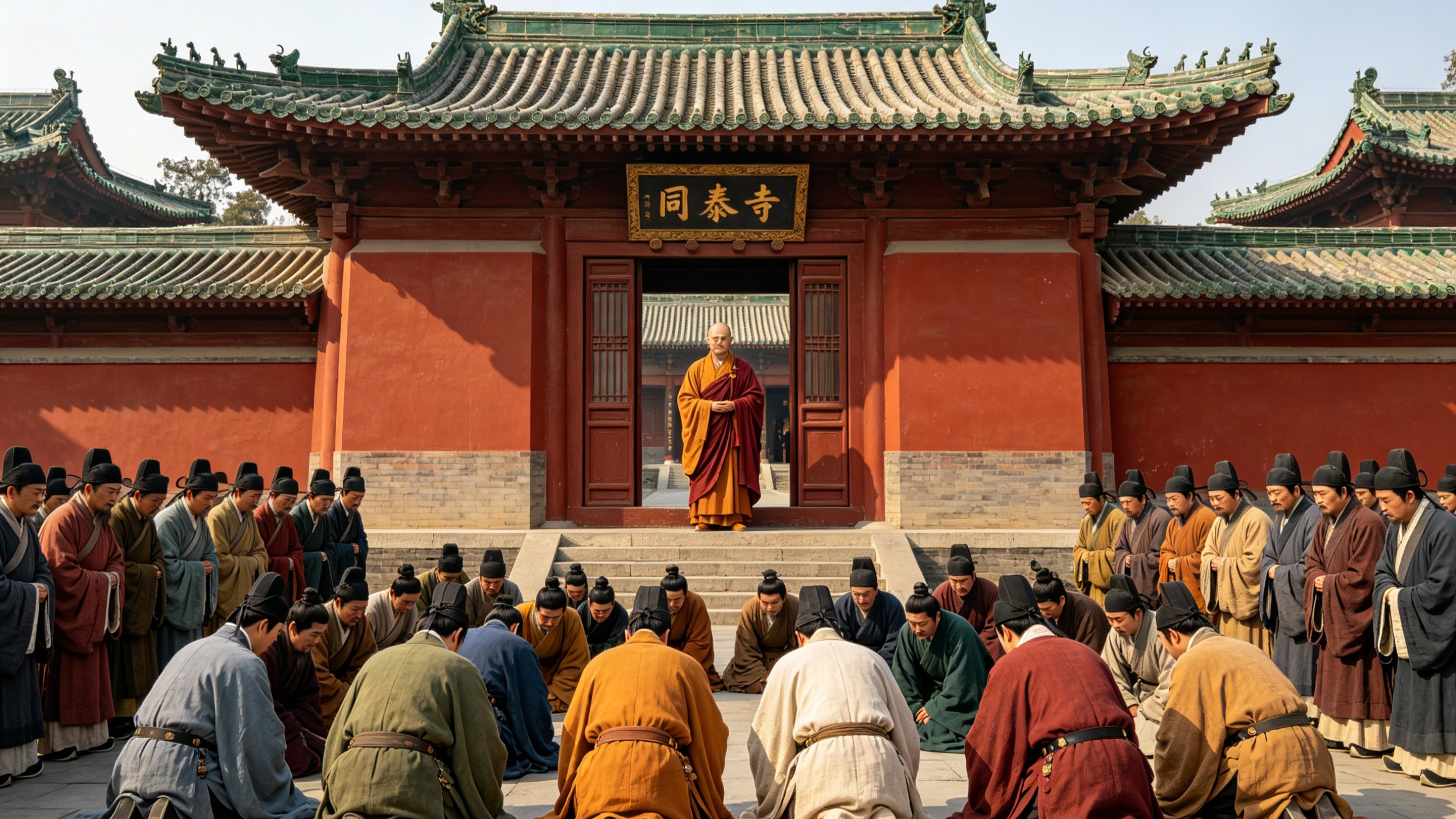
In 527 AD, on a whim, Xiao Yan abandoned his court, shaved his head at Tongtai Temple (in present-day Nanjing), put on a monk's robe, and announced: "I no longer wish to be emperor. I want to be a monk!"
The ministers were terrified. A kingdom cannot be without a ruler for a day. They knelt outside the temple gate, weeping and begging him to return. But the stubborn old man refused to budge.
After four days of stalemate, a minister had an idea: laypeople who become monks can be "redeemed" by paying a ransom to the temple. Since the emperor had become a monk, they would pay the ransom! So the court scraped together a large sum of money and donated it to the temple. Only then did Xiao Yan take off his robe and return to the palace.

💰 Second Time: 51 Days, a Sky-High Ransom
You might think that would be the end of it. But Xiao Yan's passion for Buddhism was not so easily extinguished.
Two years later, in 529 AD, he again abandoned his throne, put on his robe, and moved into Tongtai Temple. This time, he was determined to cultivate the Buddhist path. The ministers pleaded for nearly two months, but he refused to leave.
Finally, with no other choice, the court raised an enormous sum — ten thousand million coins (a huge portion of the national treasury) — to "ransom" their emperor back.
Over his forty-plus-year reign, this farce repeated itself four times. Each time, the treasury was drained, and state affairs fell into chaos while the emperor was "off duty."
🤝 The Awkward Meeting with Bodhidharma
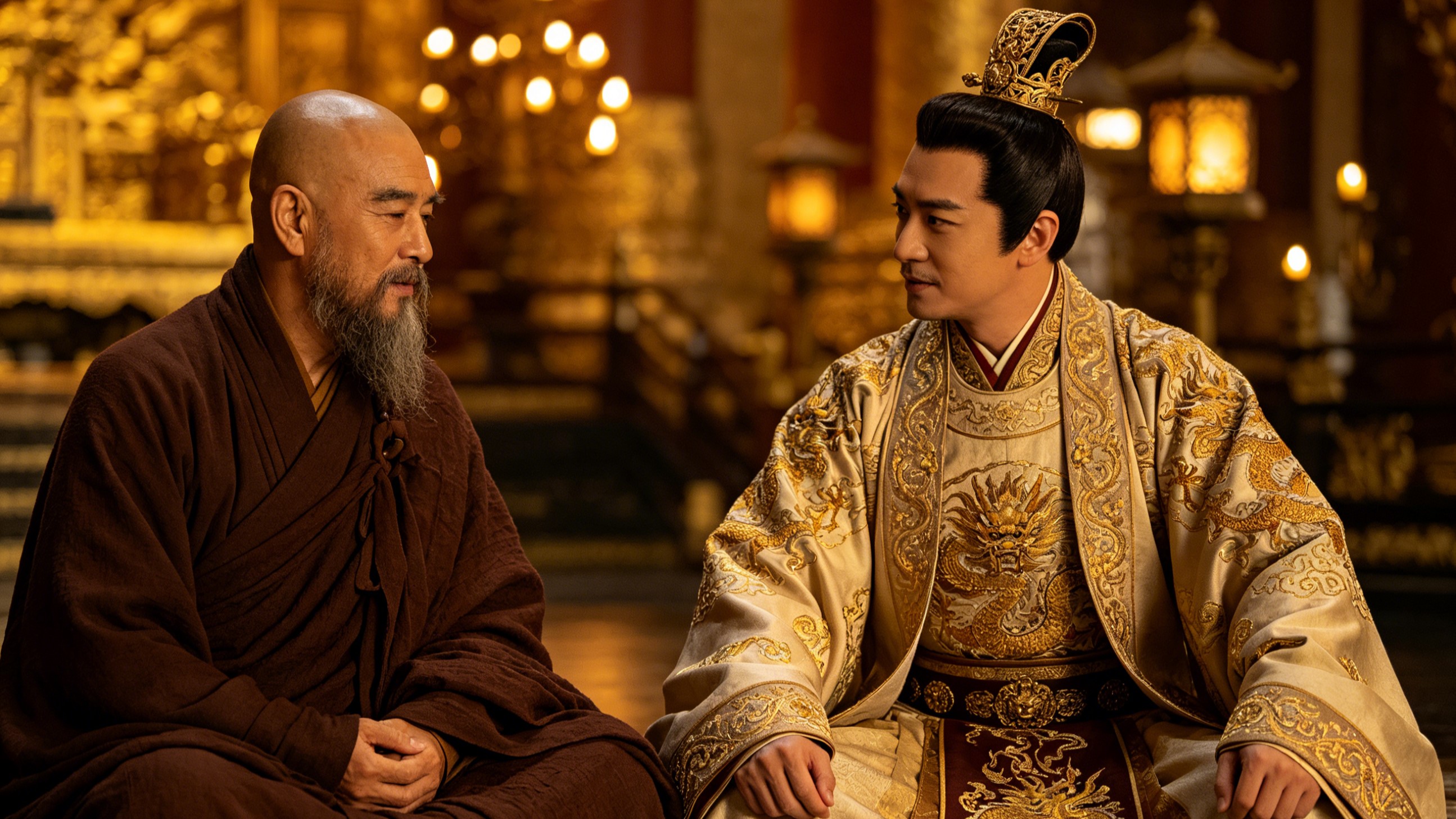
To demonstrate his devotion, Xiao Yan invited eminent monks from all over. Once, a legendary monk named Bodhidharma arrived from India. Xiao Yan welcomed him eagerly and immediately asked: "Master, I have built temples, copied scriptures, and ordained countless monks. How great is my merit?"
Bodhidharma shook his head and replied calmly: "No merit whatsoever."
Xiao Yan was stunned. Unconvinced, he asked again: "Then what is the true essence of Buddhism?"
Bodhidharma said: "There is no absolute truth. The Buddha is in your heart; the mind is the Buddha."
Not appreciating this answer, Xiao Yan dismissed him. Bodhidharma left, crossed the Yangtze River northward, and later became the founding patriarch of Chan (Zen) Buddhism. Xiao Yan regretted his folly deeply, but it was too late.
😔 A Miserable End
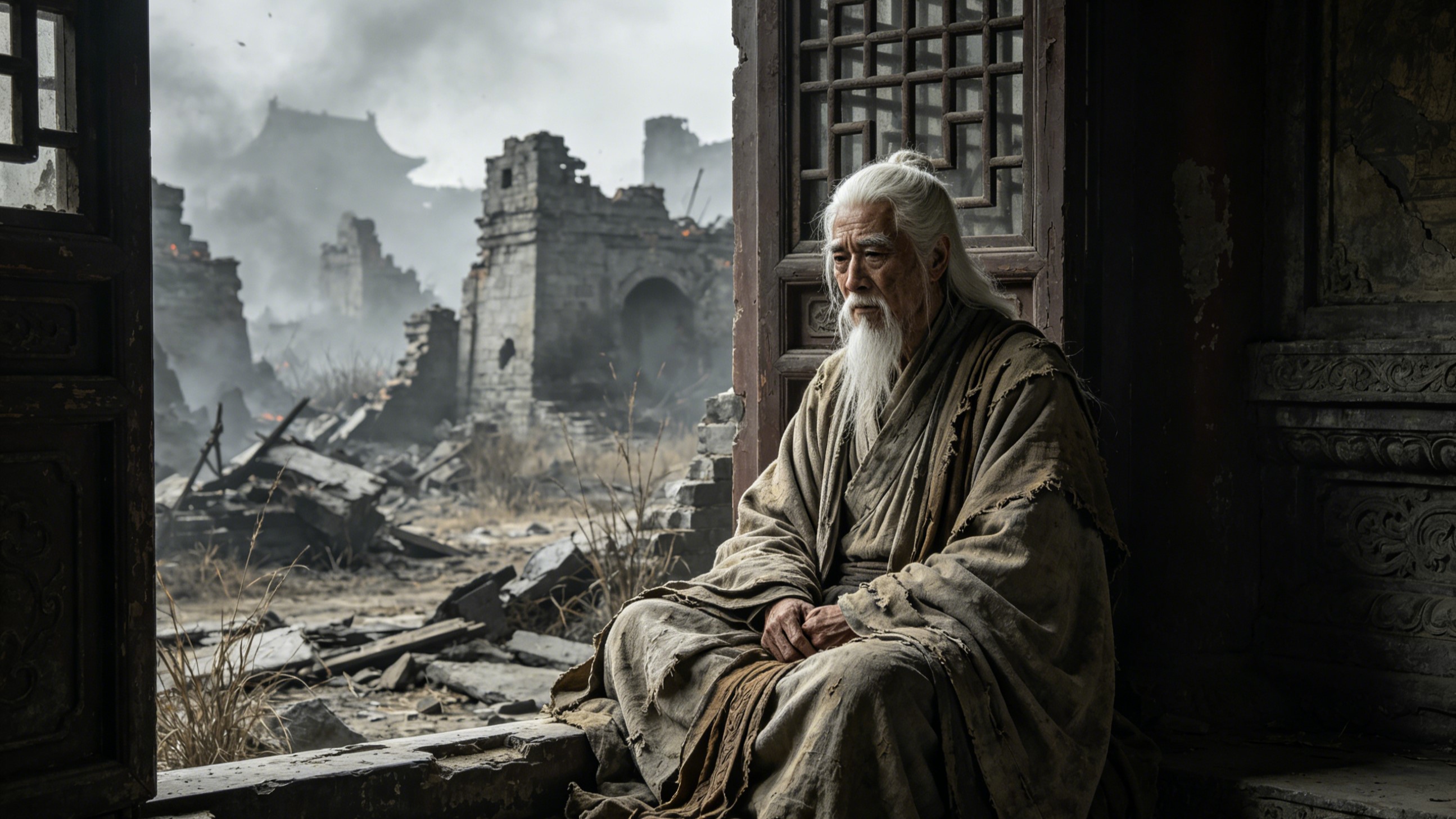
The "monk emperor" dramas ruined Xiao Yan's governance. In 548 AD, Hou Jing, a rebel general whom Xiao Yan had taken in, started a rebellion (known as the Houjing Rebellion). He captured the imperial palace at Taicheng (in Jiankang).
The absurd trigger? Hou Jing had requested to marry a daughter of the powerful Wang or Xie noble families. Xiao Yan refused, and Hou Jing, humiliated and enraged, marched south. The 86-year-old emperor was imprisoned and soon died in misery. He had tried four times to become a Buddhist monk, only to be killed by rebels — a tragic end to an absurd life.
📖 Historical Note: Emperor Wu of Liang reigned for 48 years, the longest of any Southern Dynasties ruler. He was a capable ruler in his early years but became obsessed with Buddhism in his later years, impoverishing the state and leading to the Houjing Rebellion, in which he was starved to death in the palace. His story became a classic cautionary tale of "ruining a state through blind faith in Buddhism."