荷叶裹饭,鸭兵破敌:陈霸先的绝地反击
公元556年 | 南朝梁 · 陈霸先 vs 北齐
一、从村官到枭雄
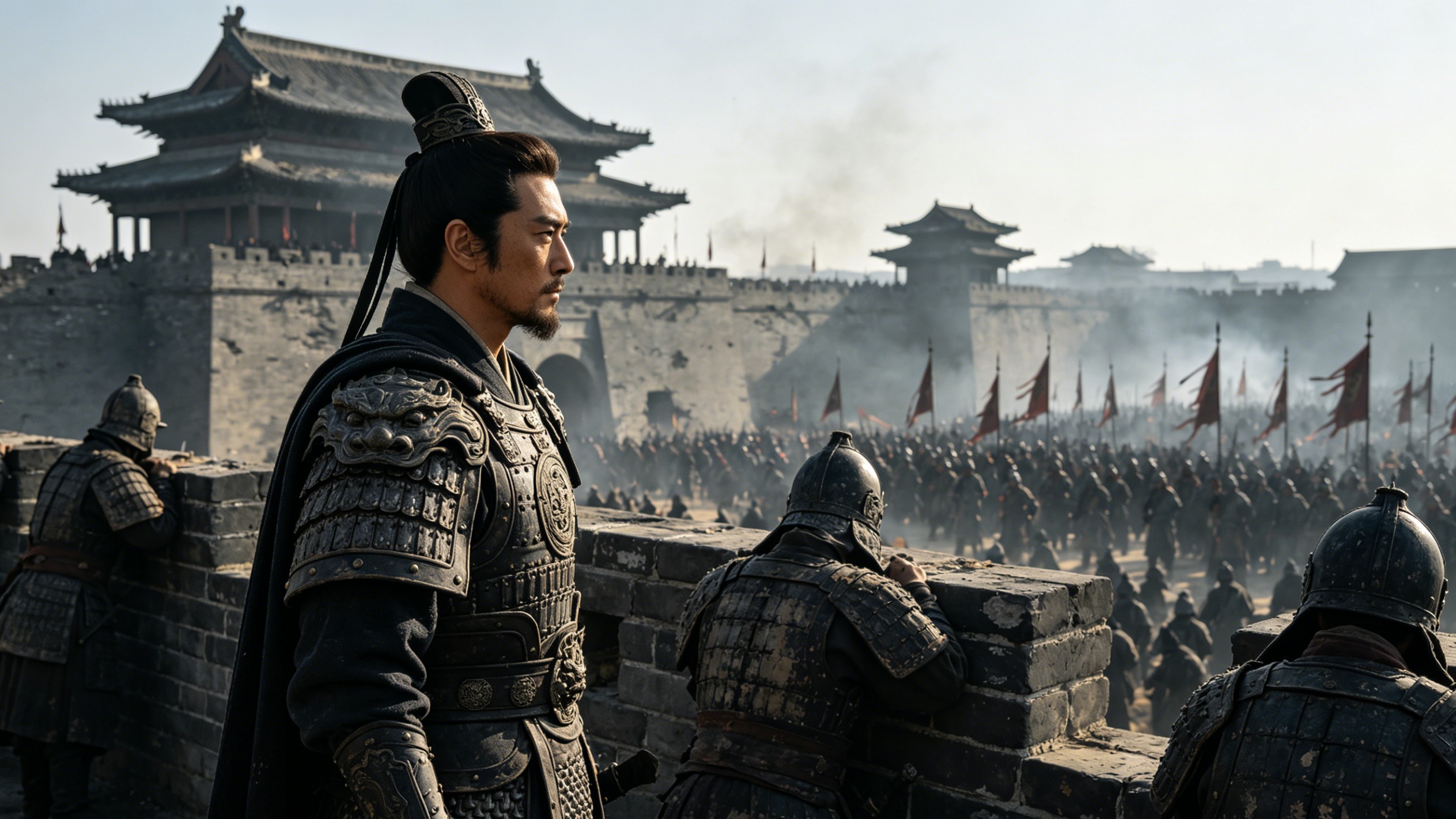
公元556年的建康城外,北齐十万大军压境,旌旗蔽日,战鼓如雷[reference:0]。而城内的守军主帅名叫陈霸先,一个出身寒门的传奇人物[reference:1]。他年轻时靠捕鱼为生,一边打渔一边练武,后来从最基层的“村官”(里司)做起,一步步做到油库小吏、参军、太守[reference:2][reference:3]。他的人生,是一部从泥泞中攀爬至权力巅峰的奋斗史。
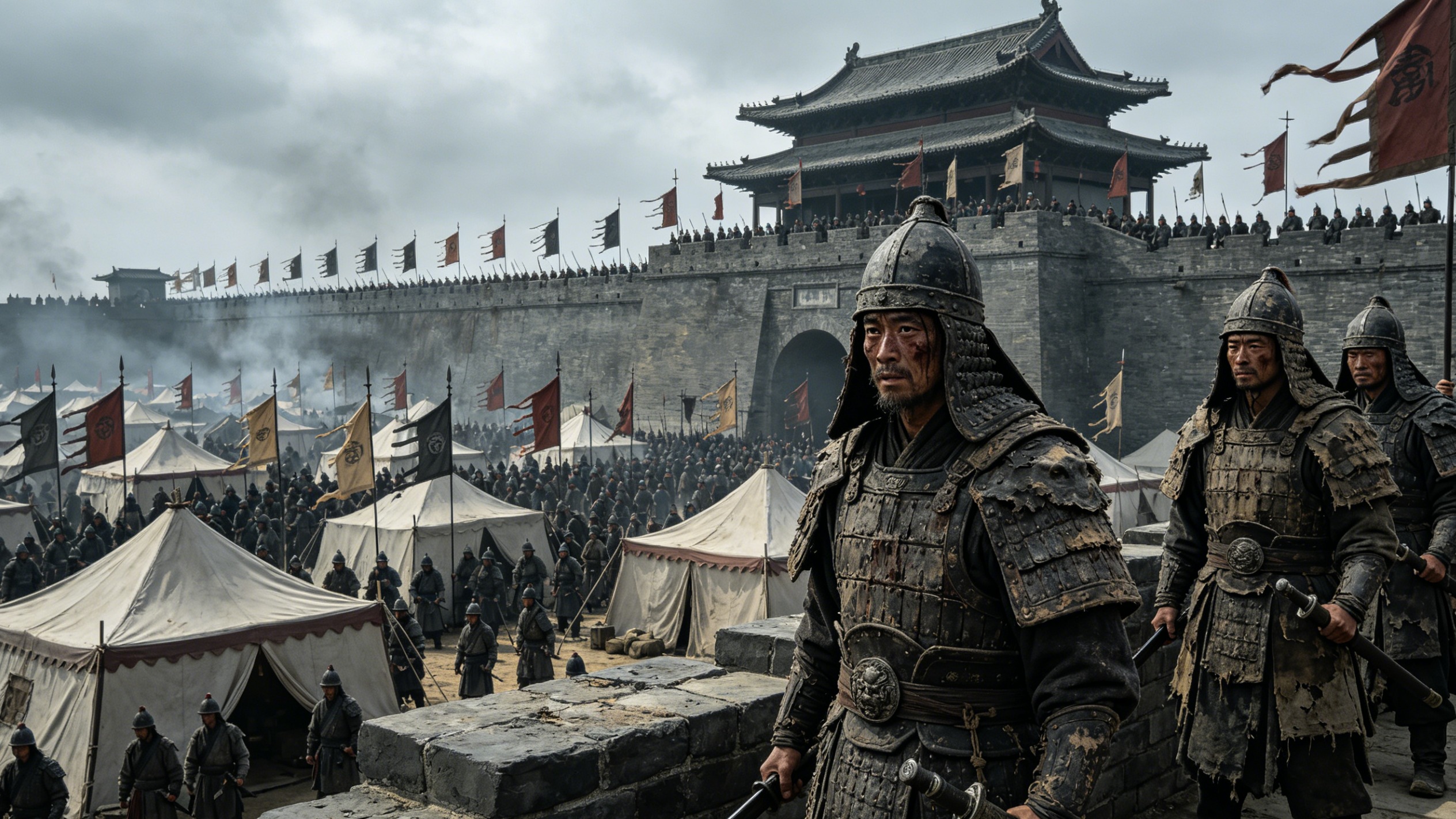
然而此刻,他正面临平生最大的危机。北齐军队将建康围得水泄不通,城内粮草早已断绝[reference:4]。士兵们饿得连刀都举不动,士气低落到了极点。陈霸先站在城头,望着城外密密麻麻的敌营,眉头紧锁——再这样下去,不等敌军攻城,建康自己就要垮了。
二、雪中送炭的鸭子
就在陈霸先一筹莫展之际,一个好消息如惊雷般炸响——他的侄子陈蒨(后来的陈文帝)冒着生命危险,突破北齐的重重封锁,送来了三千斛米和一千只肥鸭[reference:5][reference:6]!陈霸先闻讯大喜过望,亲自赶到城门迎接。当看到那一袋袋白米和一群群呱呱叫的肥鸭时,这位久经沙场的硬汉眼眶都红了。
“天不亡我!”他仰天长啸,随即转身对将士们下令:“生火,做饭!把所有的鸭子都宰了,让弟兄们吃个饱!”
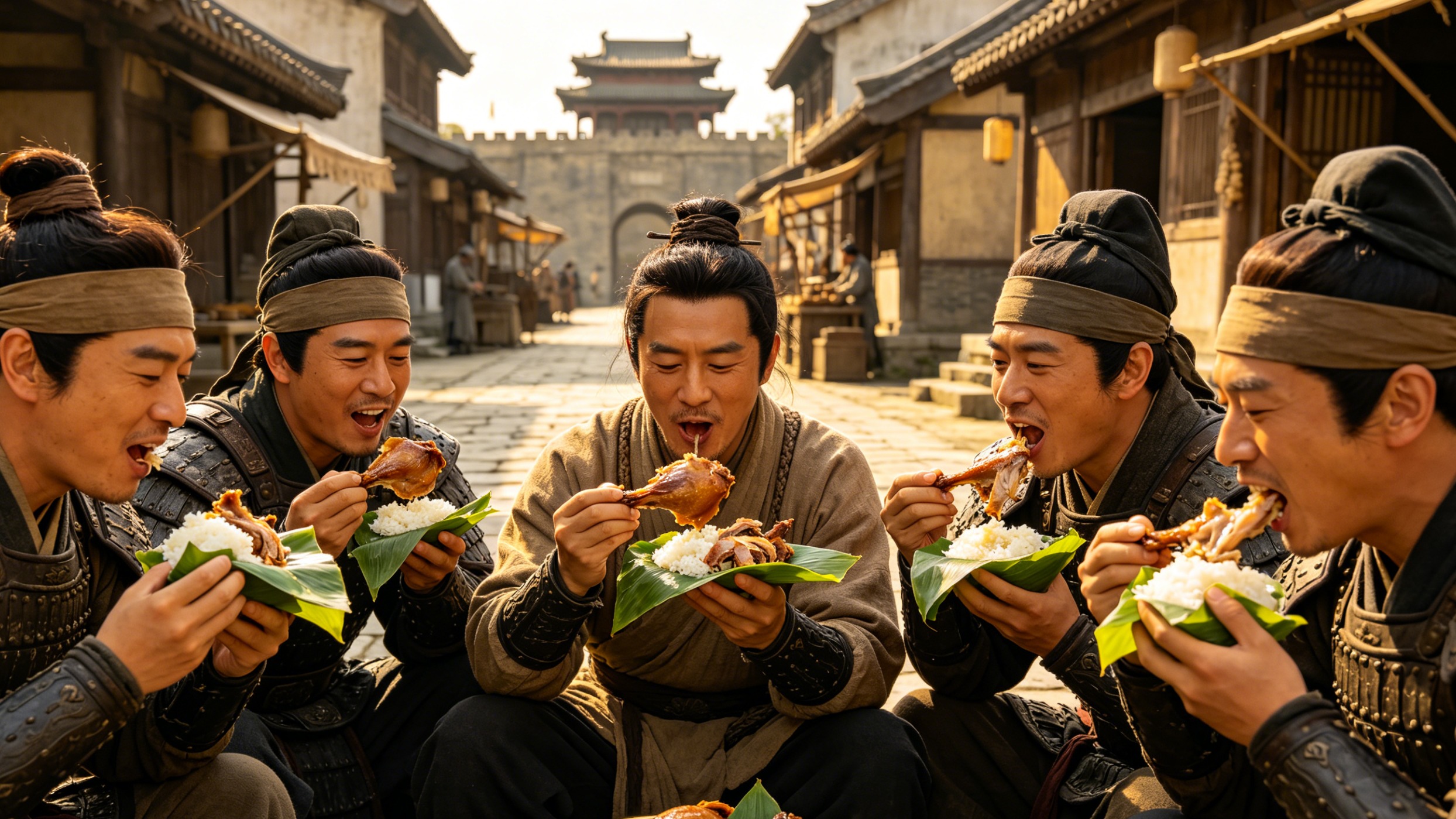
然而他又多留了一个心眼。建康城外就是玄武湖,湖中荷叶正盛[reference:7]。他派人去湖中割来大量荷叶,命令士兵们用荷叶包裹米饭,每包饭里再放上几块香喷喷的鸭肉[reference:8]。这样既方便携带,又香气扑鼻。一时间,建康城内炊烟四起,鸭香四溢,饿了大半个月的士兵们捧着荷叶饭狼吞虎咽,吃得满嘴流油。
三、绝地反击
吃饱喝足的士兵们仿佛换了一个人。他们的眼睛里重新燃起了光——那是求生的欲望,是复仇的火焰。陈霸先抓住这稍纵即逝的时机,连夜召开军事会议。他对众将说:“敌军远道而来,粮草不继,最怕持久战。我们虽然兵少,但士气正盛,此时不战,更待何时?”
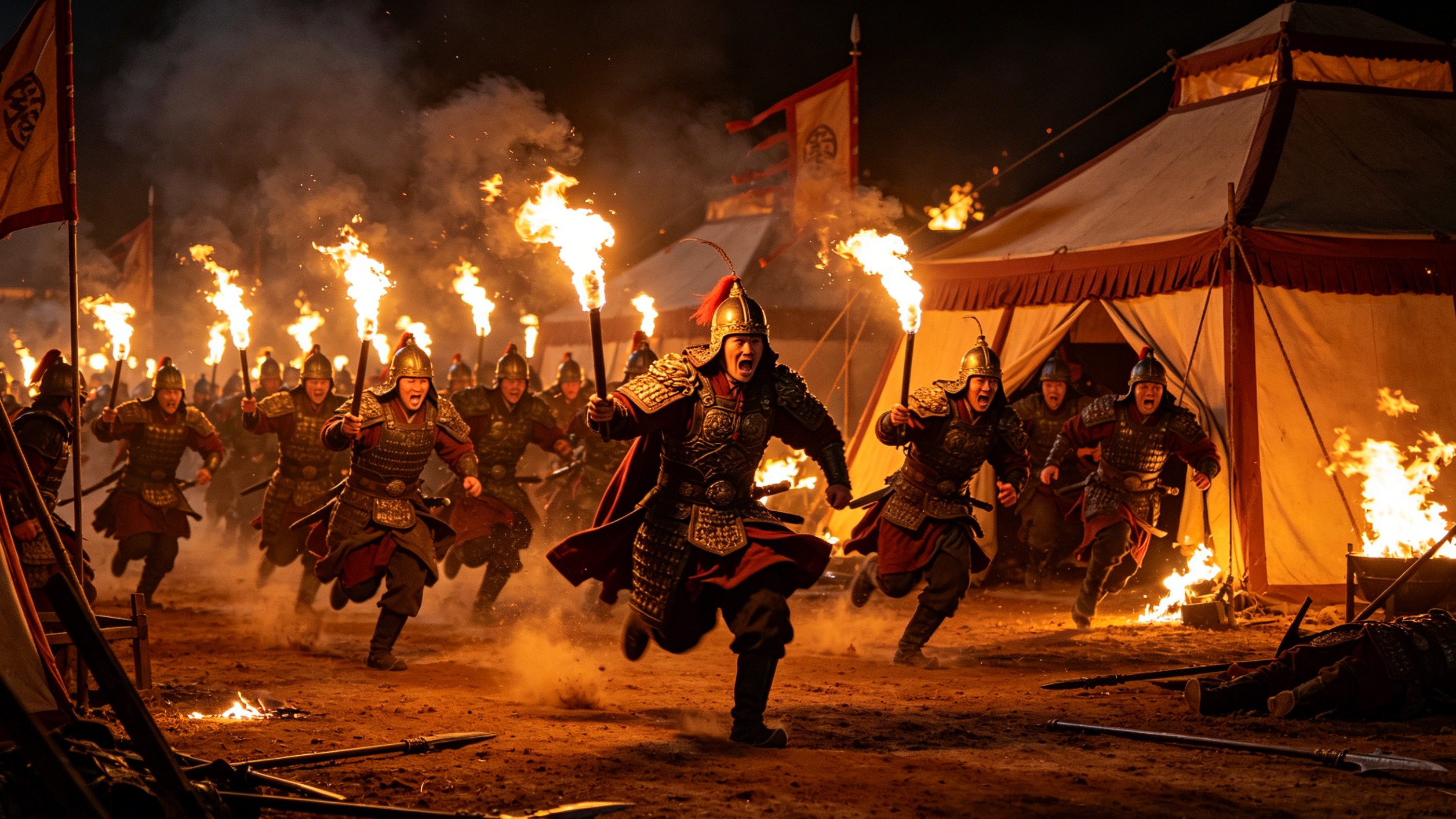
当夜,陈霸先亲率精锐,打开城门,如同猛虎下山般扑向北齐大营[reference:9]。北齐士兵做梦也没想到,一支饿得快死的军队居然还敢主动出击。他们从睡梦中惊醒,只见火光中陈霸先的军队如同神兵天降,刀光剑影中杀声震天。这一战,陈军以少胜多,大破北齐[reference:10][reference:11]。北齐军队丢盔弃甲,狼狈北逃,建康之围就此解除[reference:12]。
据说,那一夜建康城外的玄武湖上,荷叶的清香混着鸭肉的焦香,久久不散。而陈霸先用荷叶裹饭激励士气的故事,也从此流传开来,成为南京城“荷叶饭”这一美食的起源传说[reference:13]。
四、开国称帝
此战之后,陈霸先的威望如日中天。他先后击败王僧辩,平定内乱,于公元557年受禅称帝,建立南朝最后一个政权——陈朝[reference:14][reference:15]。从一个捕鱼的穷小子到开国皇帝,陈霸先的人生堪称传奇[reference:16]。
然而他登基后仅仅三年便驾崩,终年五十七岁。他的一生短暂而绚烂,如同划过南北朝昏暗天空的一道流星。而那场靠一千只鸭子和荷叶饭扭转战局的奇迹,则永远留在了史册中[reference:17]——它告诉后人:再绝望的处境,只要有一口饱饭、一股士气,就能创造奇迹。
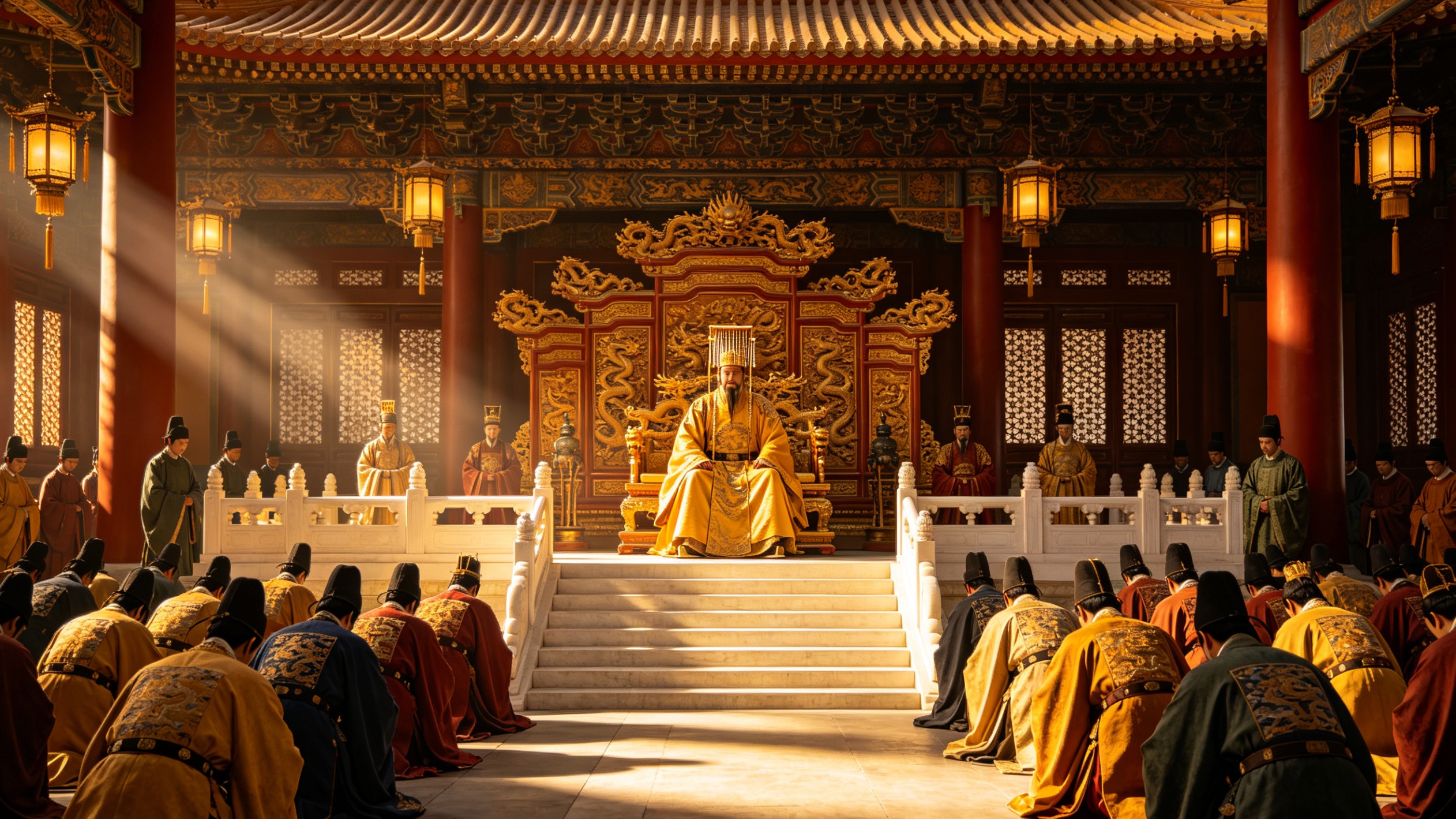
📖 历史小知识: 陈霸先是南朝陈的开国皇帝,出身寒微,以军功起家[reference:18]。他击败北齐、平定侯景之乱,于557年建立陈朝[reference:19][reference:20]。南京著名的“荷叶饭”相传就源于此战[reference:21]。
Lotus Leaf Rice and Duck Army: Chen Baxian's Miraculous Comeback
556 AD | Southern Liang · Chen Baxian vs Northern Qi
I. From Village Chief to Warlord
In 556 AD, outside Jiankang, a 100,000-strong Northern Qi army laid siege to the city. The defender was Chen Baxian, a man of humble origins who had risen from fishing and village chief to become a powerful general. But now he faced his greatest crisis. The city was surrounded, food was running out, and his soldiers were too hungry to fight.
Standing on the city wall, Chen Baxian watched the enemy camps and frowned. If this continued, Jiankang would fall without a single arrow being fired.
II. Ducks to the Rescue
Just when all hope seemed lost, his nephew Chen Qian broke through the enemy lines and delivered 3,000 hu of rice and 1,000 fat ducks. Chen Baxian was overjoyed. He ordered all the ducks to be slaughtered and the rice to be cooked.
But he had an idea. He sent men to gather lotus leaves from Xuanwu Lake and had the soldiers wrap rice and duck meat in the leaves. The fragrant packets were easy to carry and delicious to eat. The starving soldiers devoured them, their strength returning with every bite.
III. The Counterattack
With their bellies full, the soldiers were transformed. Their eyes burned with renewed fire. Chen Baxian seized the moment and launched a night attack on the Northern Qi camp. The enemy, caught completely off guard, was routed. The siege was broken.
It is said that the fragrance of lotus leaves and roasted duck lingered over Xuanwu Lake that night. And the story of lotus leaf rice became the origin of a famous Nanjing delicacy.
IV. Founding an Empire
After this victory, Chen Baxian's prestige soared. He defeated his rivals and, in 557 AD, founded the Chen Dynasty, the last of the Southern Dynasties. From a poor fisherman to founding emperor, his life was a true legend. He reigned for only three years before his death, but his story — of ducks, lotus leaves, and a desperate comeback — would never be forgotten.
📖 Historical Note: Chen Baxian founded the Chen Dynasty in 557 AD. His victory over the Northern Qi with the help of ducks and lotus leaf rice became legendary, and is said to be the origin of Nanjing's famous lotus leaf rice dish.