血染玉壁:韦孝宽的绝地坚守
公元546年 | 西魏 · 韦孝宽
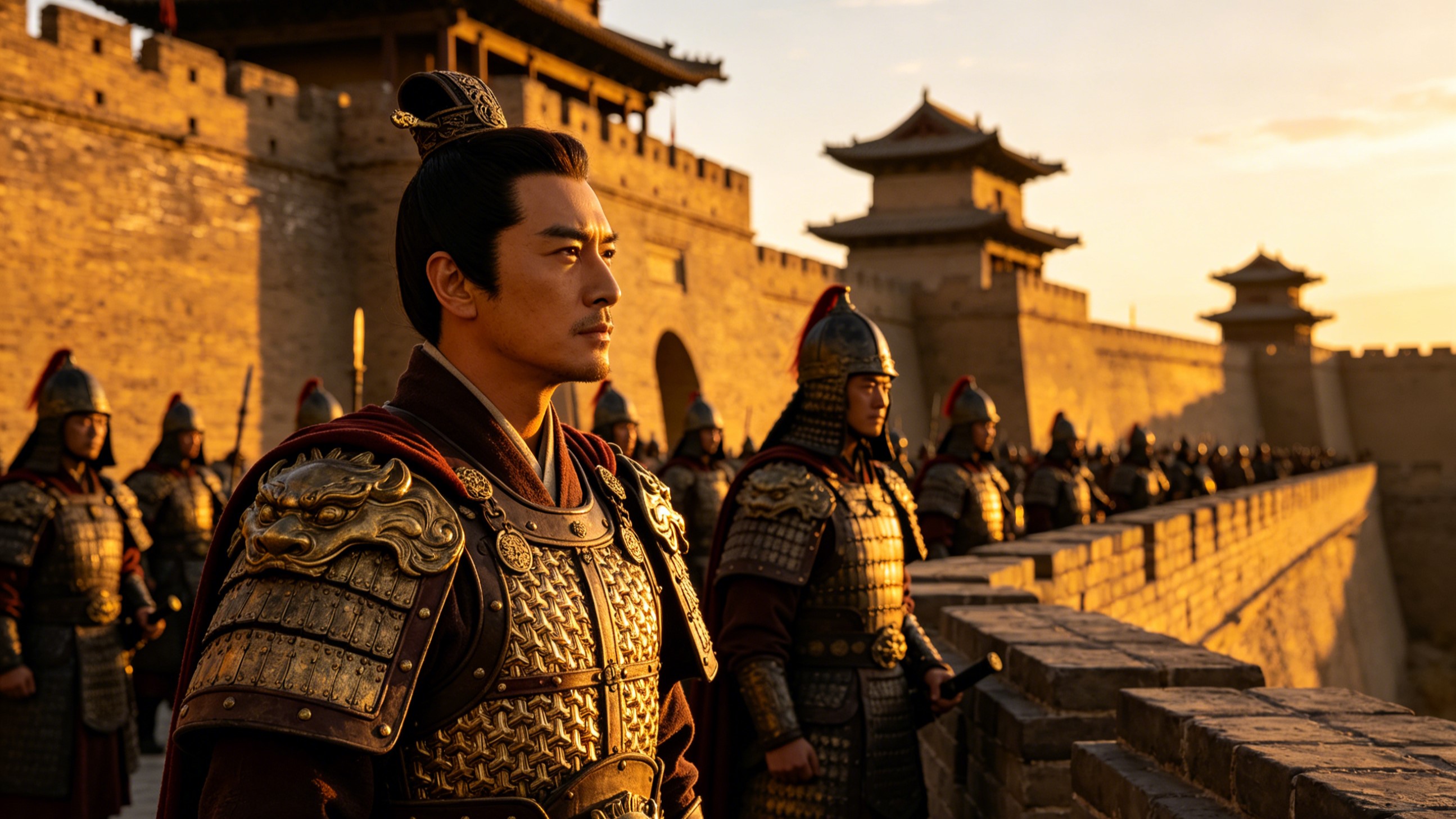
一、孤城迎敌
公元546年深秋,玉璧城头,西魏守将韦孝宽望着南方腾起的烟尘,面色沉静如水。斥候来报:东魏丞相高欢亲率十万大军,已渡过汾河,不日将兵临城下。玉璧城只有两千守军,而敌军是五十倍于己。副将脸色发白:“将军,我们是不是该向朝廷求援?”韦孝宽摇摇头:“来不及了。从今天起,玉璧城只有两种人——活着杀敌的人,和死了也在杀敌的人。”他转身面向全城将士,声音不大,却穿透寒风:“我知道你们怕。我也怕。但怕,就能活吗?”城墙上沉默了片刻,然后响起一片低沉的吼声:“愿随将军死战!”
高欢大军到后,并没有急着攻城。他先派使者射劝降信入城,许诺高官厚禄。韦孝宽在信背面写了四个字:“不降,放箭。”又将信射了回去。高欢大怒,下令四面围城,昼夜猛攻。
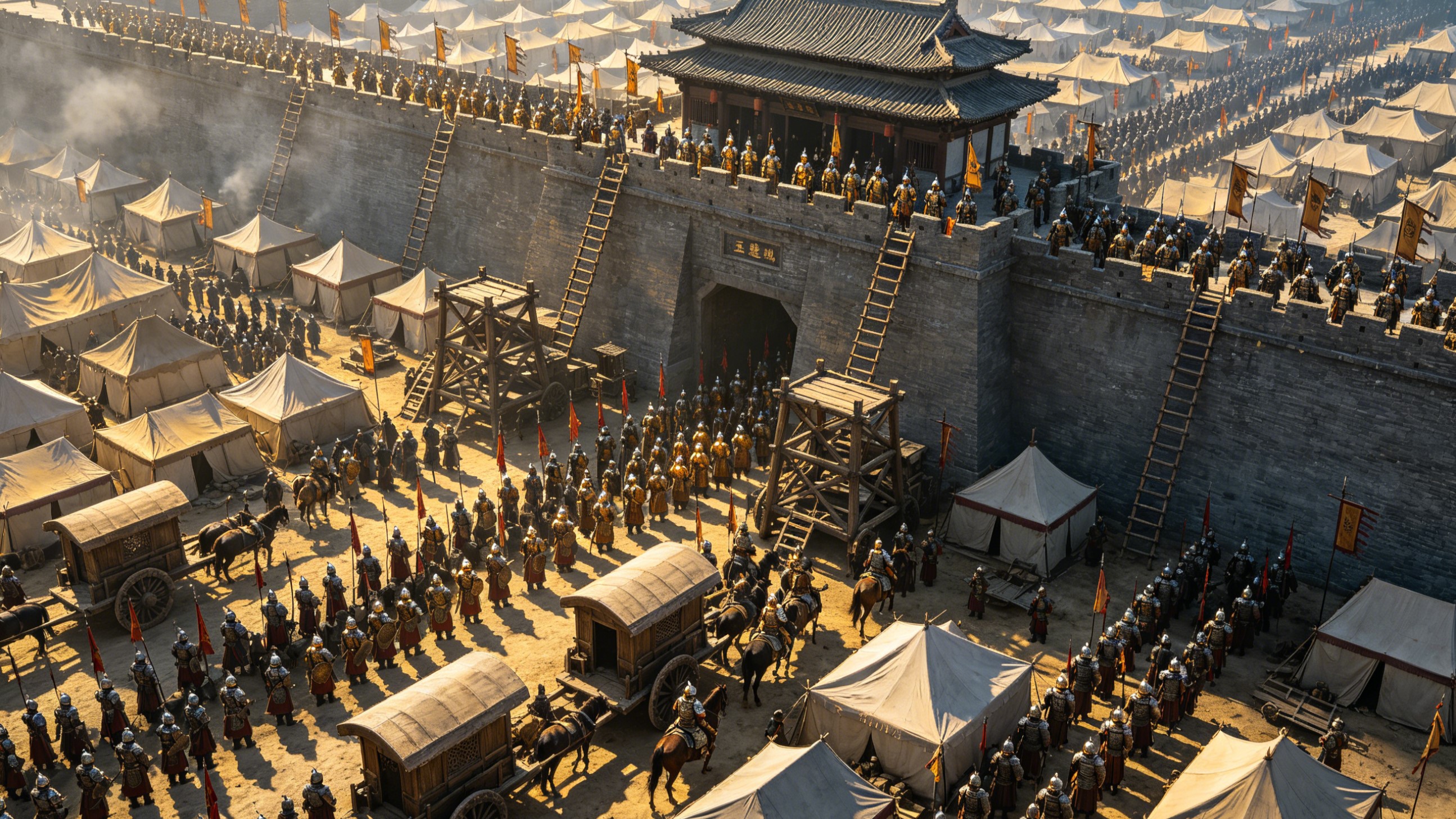
二、地底下的绞肉机
高欢第一招是堆土山。士兵扛着土袋日以继夜地垒,七天后土山与城墙齐平。东魏弓箭手居高临下,箭如雨下。韦孝宽连夜命人用木柱在城墙上搭起木楼,比土山还高三丈。第二天,东魏兵刚爬上土山,就被木楼上的强弩射得血肉横飞。高欢改用地道。他抽调最精锐的掘土兵,从四面同时向城墙脚下挖洞。地道里漆黑一片,只听见铁锹撞击土石的闷响。按计划,挖到城墙正下方后掏空地基,用木桩撑住,再放火烧木桩——城墙便会塌陷。
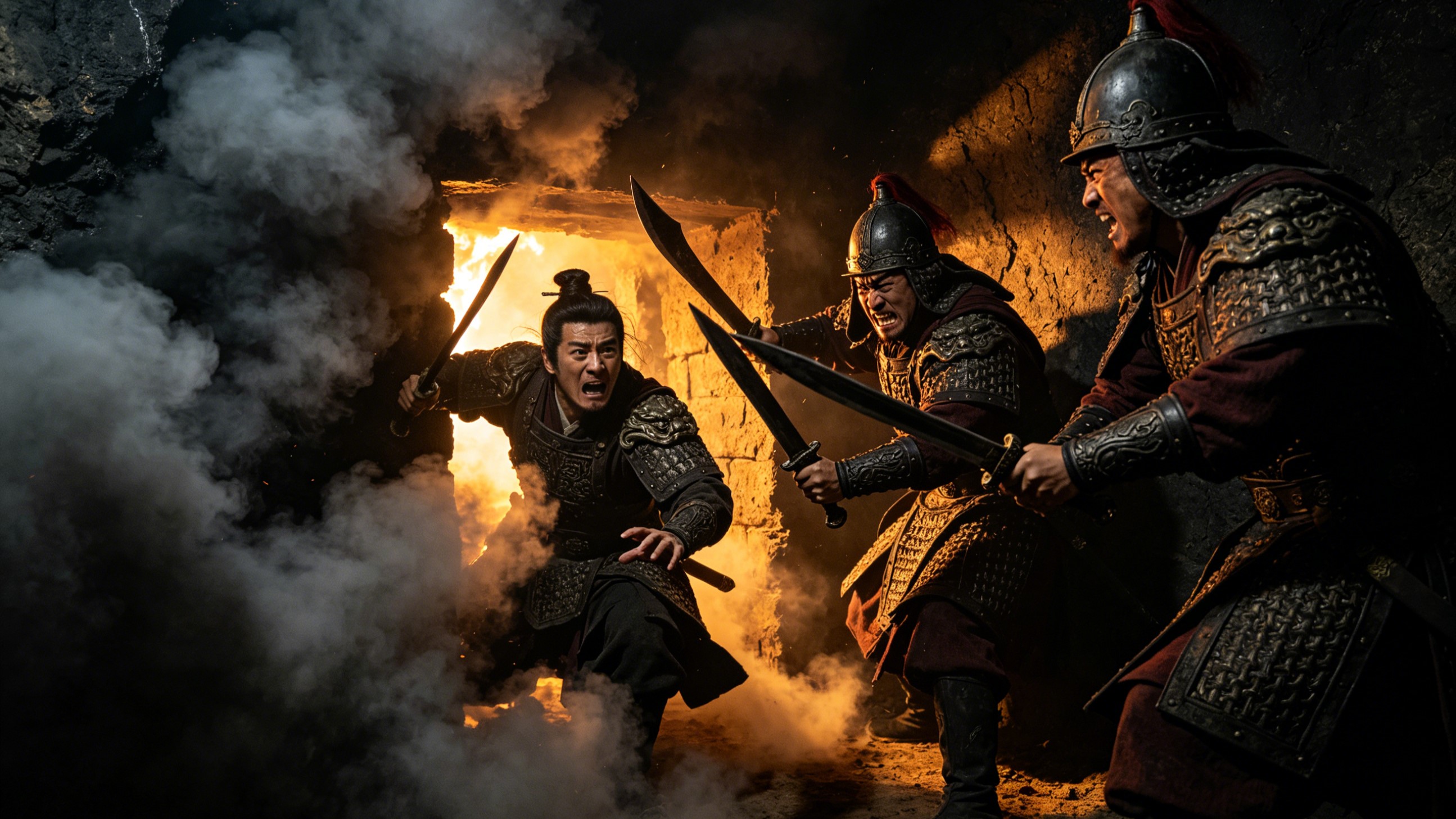
韦孝宽却早有准备。他让人沿城墙内侧挖了一条深沟,派最机灵的士兵耳朵贴地监听。一旦听到地下有动静,就反向挖过去。当东魏兵从地道里探出头时,迎接他们的不是崩塌的城墙,而是明晃晃的大刀——来一个,砍一个。更可怕的是,韦孝宽让人堆积干柴,塞进地道点燃,再鼓风往里扇。浓烟灌入,地下的人无处可逃,惨叫声从地底传上来,听得城外东魏军浑身发寒。半个月下来,三千多精兵死在了漆黑的地下。
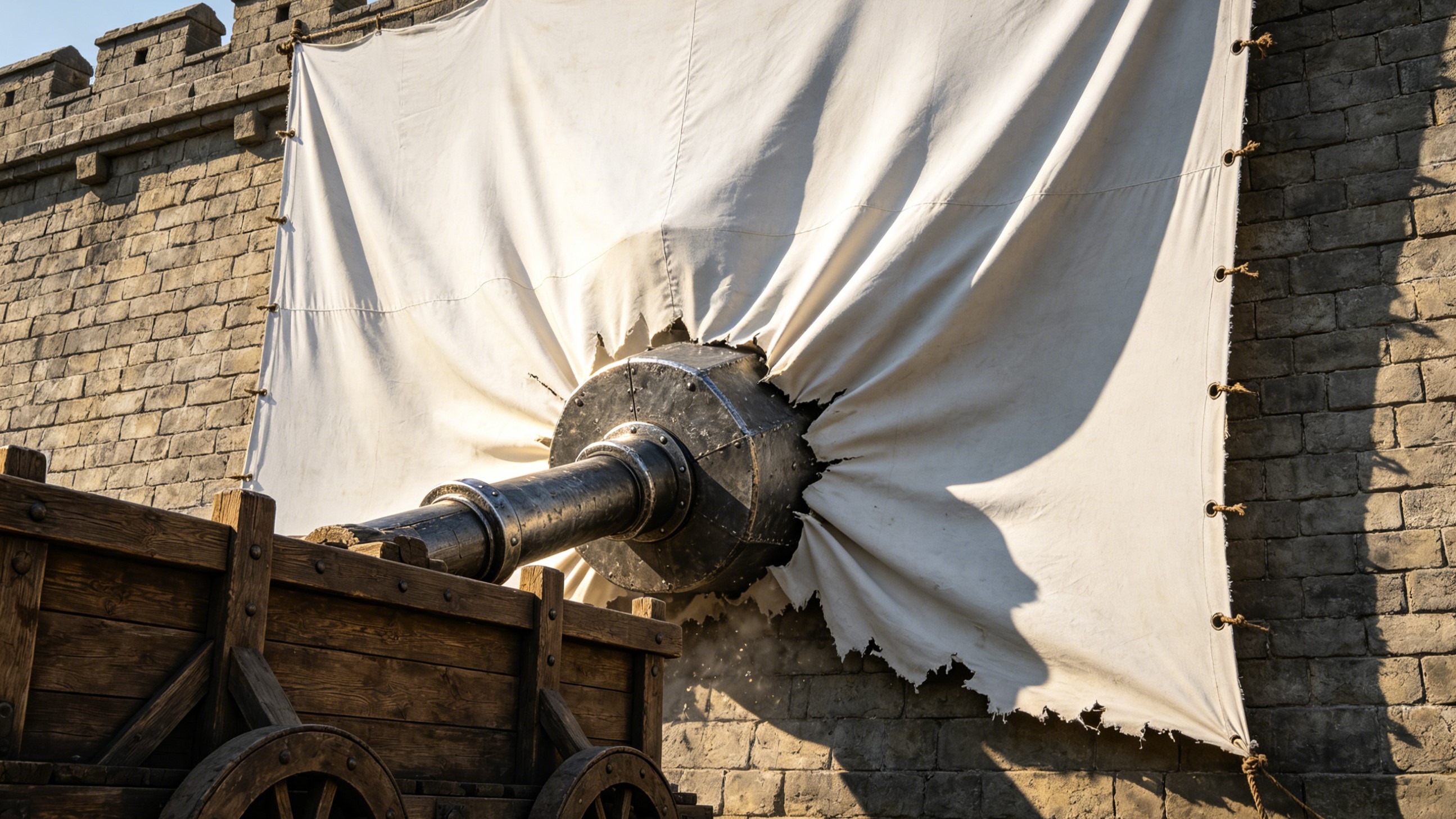
三、布幔与铁钩
高欢恼羞成怒,推出攻城车。包着铁皮的冲车粗如房梁,几十人推动,撞在城墙上连地面都在颤抖。韦孝宽命人缝制巨大布幔,用麻绳和铁环挂在城墙外侧。冲车撞来,锤头砸在布幔上,布幔柔软卸力,城墙纹丝不动。高欢又用火攻,在长竿上绑浸油麻布,点燃后去烧布幔。韦孝宽则让士兵用铁钩钩住火竿,用力一拉,火头坠落,反而点燃了城下的攻城车。东魏兵哭喊着四散奔逃。
高欢气疯了,又派人用诱降信射进城,许诺封侯拜相。韦孝宽每次都在信背面写:“我韦孝宽关中人,只吃西魏的粮,不吃东魏的俸禄。”再射回去。高欢拿着回信,气得浑身发抖,却又无可奈何。
四、流星与坚守
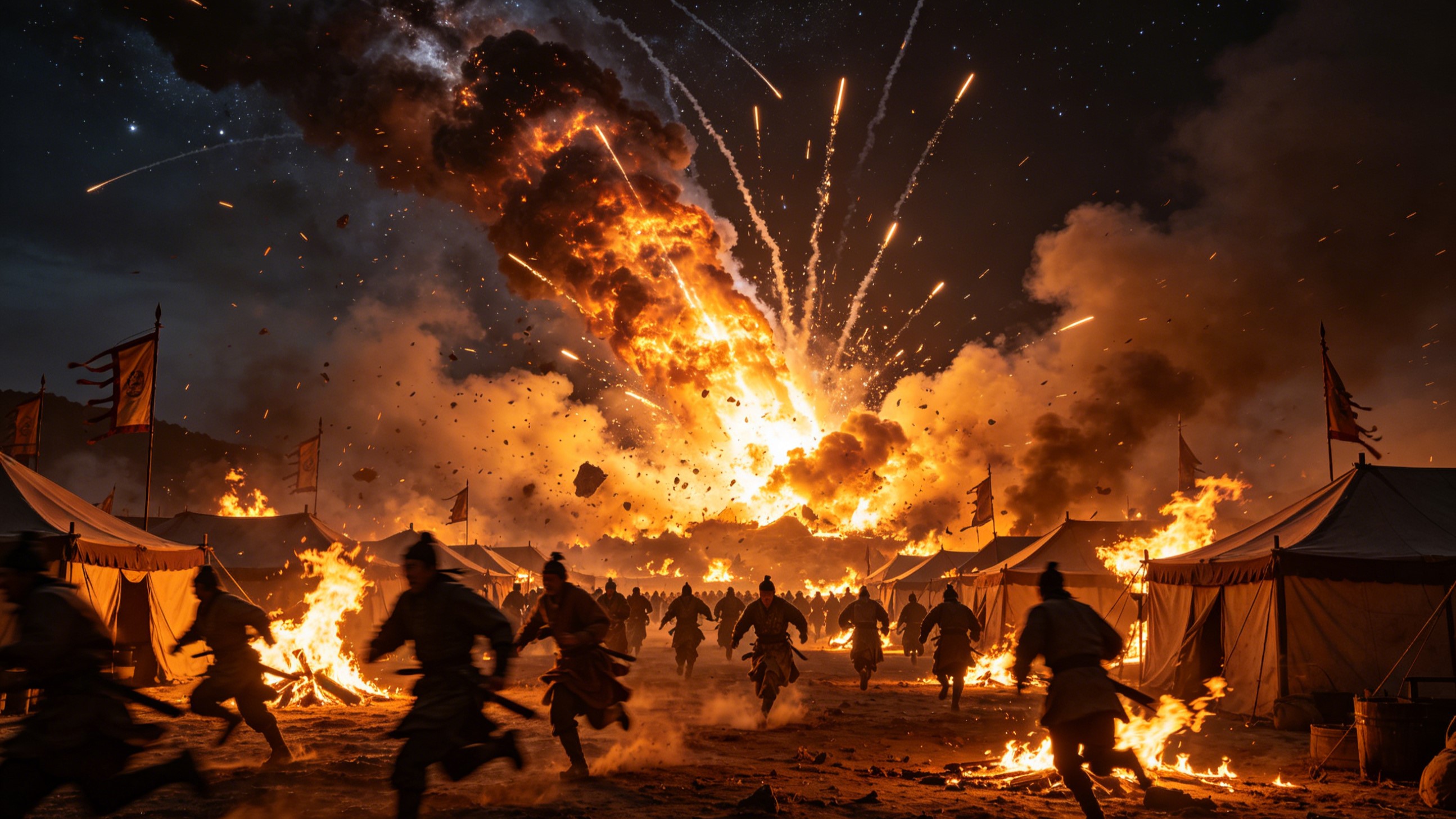
五十多天过去了。东魏军伤亡七万余人,粮食吃光,瘟疫横行。一天夜里,一颗巨大的流星坠落在大营东北角,大地震颤。高欢心知不祥,又收到韦孝宽射来的箭书:“劲弩一发,凶身自殒。”他再也撑不住,病倒在营中,下令撤军。玉璧城守住了。两千守军,面对十万大军,坚守六十日,敌军伤亡过半,最后狼狈北归。韦孝宽站在城头,望着退去的敌军,对身边的副将说:“你看,高欢的将星,已经落了。”两个月后,高欢在晋阳病逝。
韦孝宽因功被封为“玉璧公”。后来,他成为北周名将,屡立战功,七十三岁善终。而玉璧城下的累累白骨,永远诉说着这场守城奇迹——两千人对十万,六十个日夜,每一次攻防都是血与火的淬炼。玉璧之战,也成了中国军事史上以少胜多的经典战例。
📖 历史小知识: 韦孝宽是南北朝末期最杰出的防守大师。他守玉壁用的布幔、铁钩、地道反制等战术,被后世兵法家奉为经典。玉璧之战后,高欢病死,东魏不久被北齐取代,而西魏发展为北周,最终统一北方。
Blood on the Walls: Wei Xiaokuan's Unbreakable Defense
546 AD | Western Wei · Wei Xiaokuan
I. A Lone City Faces the Enemy
In late autumn 546 AD, on the walls of Yubi fortress, the Western Wei commander Wei Xiaokuan gazed at the rising dust to the south. His face was calm as still water. Scouts reported that Gao Huan of the Eastern Wei was leading 100,000 troops across the Fen River. Yubi had only 2,000 defenders — fifty times fewer. His deputy turned pale: "General, should we send for reinforcements?" Wei shook his head. "Too late. From today, there are only two kinds of people in Yubi: those who kill the enemy alive, and those who kill the enemy dead." He turned to his soldiers and said in a low voice: "I know you are afraid. So am I. But will fear save us?" Silence, then a low roar: "We will fight to the death!"
When Gao Huan arrived, he shot a letter of surrender into the city, promising riches. Wei wrote four words on the back: "No surrender. Shoot back." And shot it back. Gao Huan was furious and ordered a full siege, day and night.
II. A Meat Grinder Underground
Gao Huan's first move was to pile up an earthen mound. After seven days, the mound was as high as the walls. Eastern Wei archers rained arrows from above. Wei Xiaokuan had wooden towers built atop the walls, three zhang higher than the mound. The next day, as the enemy climbed the mound, they were shot to pieces by crossbows from the towers. Gao Huan then ordered tunnels. Elite sappers dug from all four directions toward the city walls. The plan was to hollow out the foundation, prop it up with beams, then burn the beams — the wall would collapse.
But Wei Xiaokuan was ready. He dug a long trench along the inside of the wall and posted alert soldiers who listened to the ground. Whenever they heard digging, they dug back to intercept. The moment an Eastern Wei soldier emerged from a tunnel, a blade was waiting — one by one, they were cut down. Worse, Wei had kindling piled into the tunnels and lit, then fanned the smoke inward. The screams from underground chilled the enemy soldiers outside. In half a month, over three thousand elite soldiers died in the dark earth.
III. Cloth Screens and Iron Hooks
Gao Huan then deployed battering rams — iron-clad beams as thick as roof beams, pushed by dozens of men. Each strike made the ground tremble. Wei Xiaokuan had huge cloth screens made and hung them outside the walls. The rams struck the soft cloth, which absorbed all force. Gao Huan switched to fire attacks — oil-soaked rags tied to long poles, lit to burn the screens. Wei's soldiers used iron hooks to catch the burning poles and yank them down, setting the enemy's own siege engines ablaze. The Eastern Wei soldiers scattered in panic.
Enraged, Gao Huan shot more surrender letters into the city. Each time, Wei wrote on the back: "I am a man of Guanzhong. I eat Western Wei's grain, not Eastern Wei's salary" — and shot it back. Trembling with fury, Gao Huan was helpless.
IV. The Meteor and the Unbroken City
Fifty days passed. The Eastern Wei had lost over 70,000 men. Food was gone, plague was spreading. One night, a great meteor fell in the northeastern corner of the camp. The ground shook. Gao Huan knew the omen was ill. Then an arrow shot from the city landed with a message: "One crossbow bolt — the evil body will fall." Gao Huan fell ill and ordered the retreat. Yubi stood. Two thousand defenders had withstood 100,000 enemies for sixty days, inflicting over half casualties before the enemy withdrew in disgrace.
Wei Xiaokuan stood on the wall and watched them go. "Look," he said to his deputy. "Gao Huan's star has fallen." Two months later, Gao Huan died in Jinyang. Wei was ennobled as "Duke of Yubi." He went on to become a famous general of the Northern Zhou, living to seventy-three. The white bones beneath Yubi's walls tell the story of a miracle: 2,000 against 100,000, sixty days of blood and fire. Yubi became a classic example of outnumbered defense in Chinese military history.
📖 Historical Note: Wei Xiaokuan was the greatest defensive master of the late Northern and Southern Dynasties. His tactics — cloth screens, iron hooks, counter-tunneling — became classics. After Yubi, Gao Huan died, and the Eastern Wei soon fell, while the Western Wei evolved into the Northern Zhou, which eventually reunited northern China.