千兵万马避白袍:陈庆之北伐传奇
公元528年 | 南朝梁 · 陈庆之
一、一介书生的请战
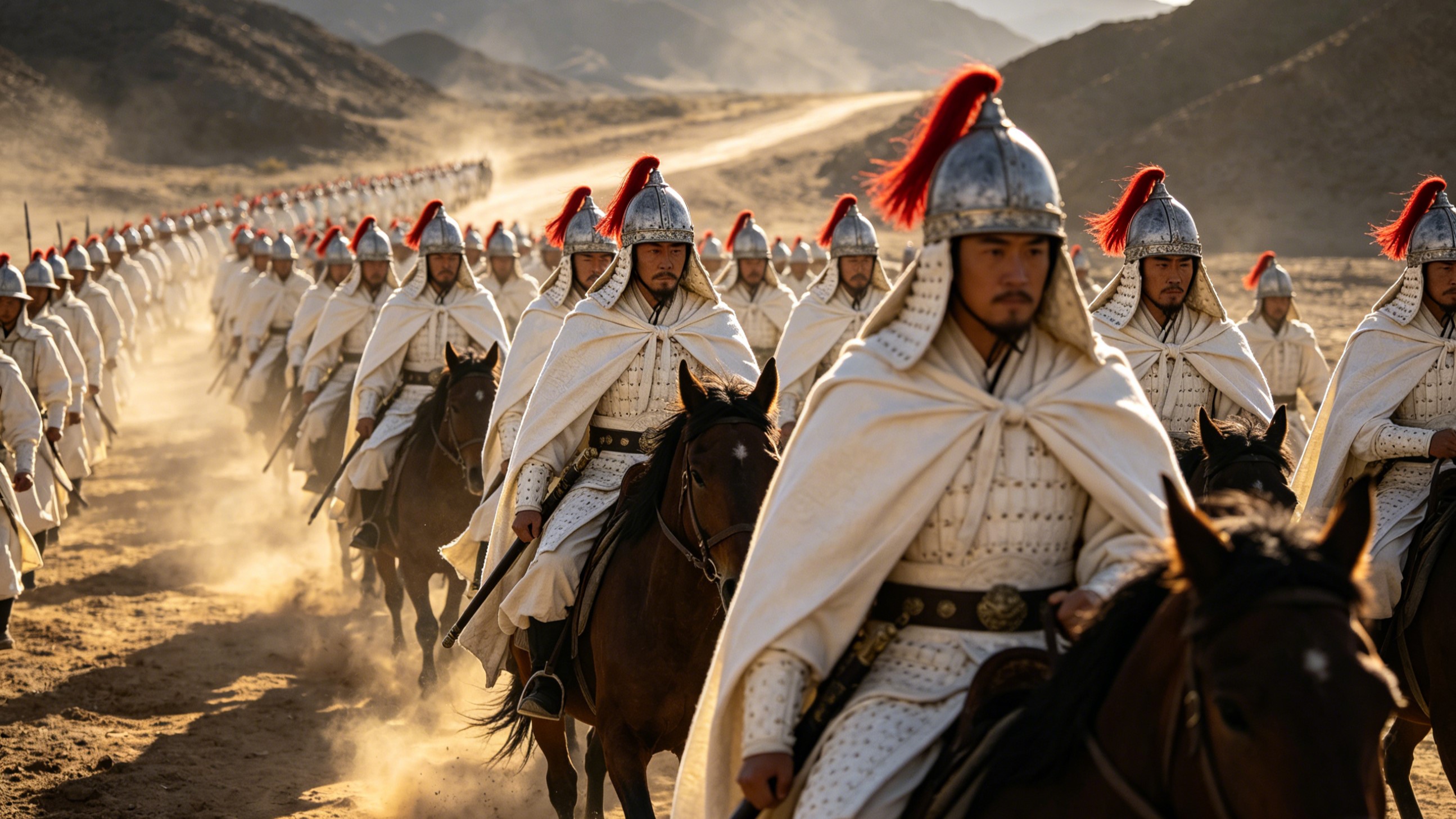
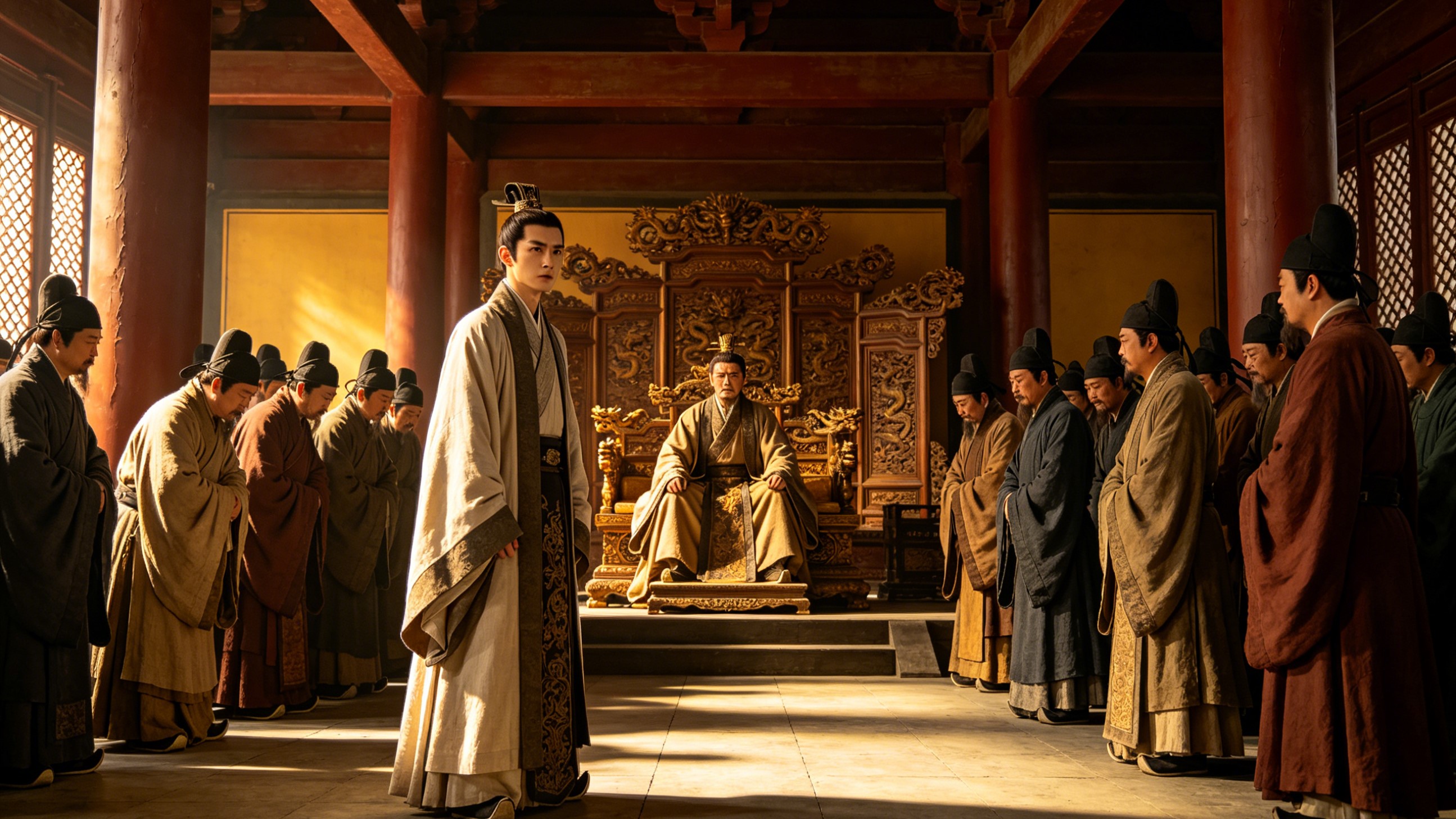
公元528年,北魏内乱,权臣尔朱荣发动“河阴之变”,屠杀朝臣两千余人。北魏皇室元颢逃到南朝梁,请求梁武帝萧衍出兵助他夺位。满朝文武无人愿接这个烫手山芋——北魏虽乱,仍是庞然大物,贸然北伐无异于送死。这时,一个四十多岁的文官站了出来。他叫陈庆之,梁武帝的随从,从未带过兵,身体文弱,拉不开弓,骑不上马。梁武帝半信半疑地问:“你能打?”陈庆之微微一笑:“臣自幼熟读兵书,虽不能骑马射箭,却懂得排兵布阵。请陛下给我七千人马,我替您把元颢送上皇位。”梁武帝犹豫良久,最终点了头,拨给他七千白袍兵。
这支军队全部身穿白色战袍,盔甲鲜明,如同一片白云从建康北上。所有人都等着看陈庆之的笑话——一个文弱书生,带七千人去碰北魏百万雄师?
二、血战荥阳
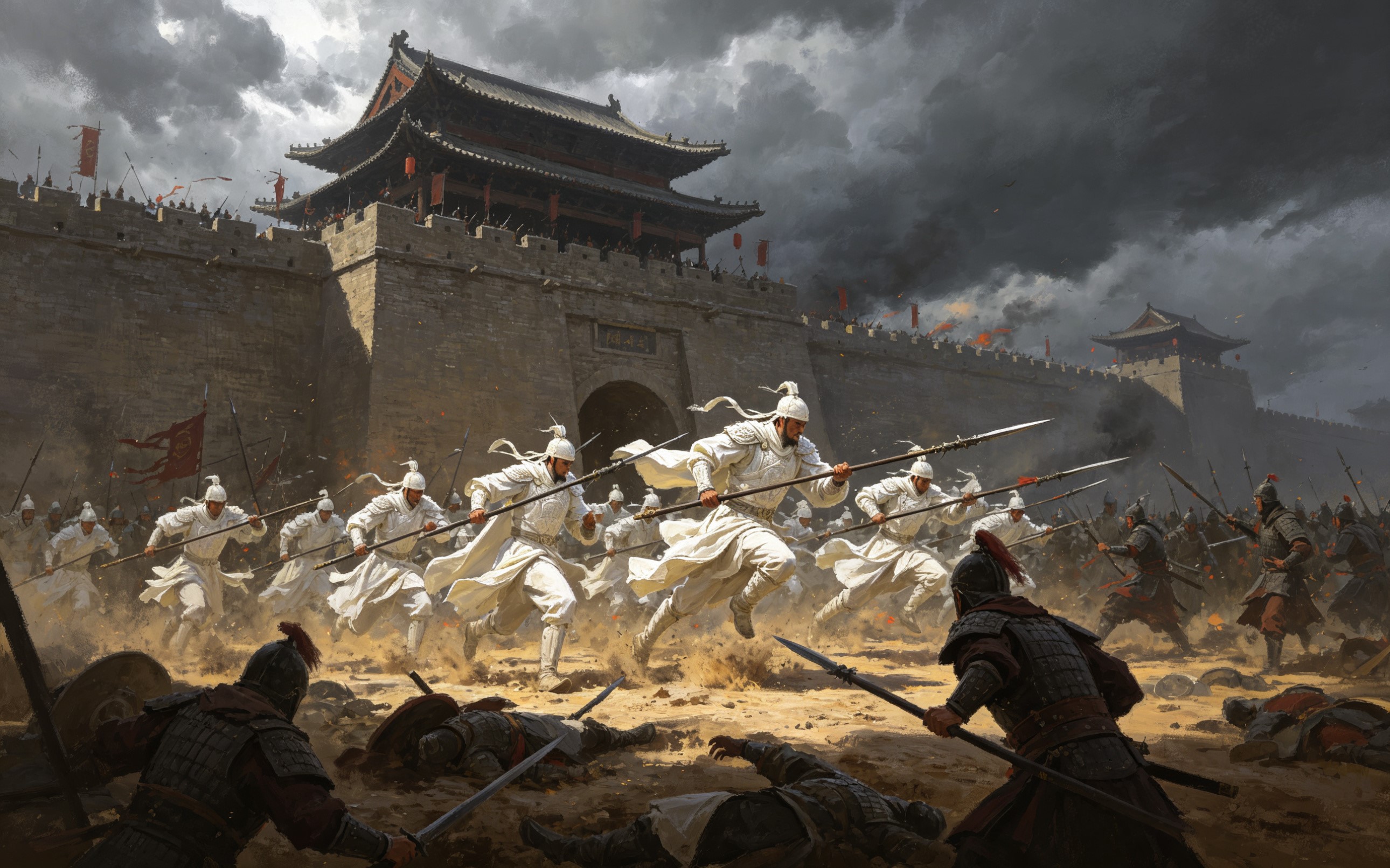
陈庆之的北伐如同一场飓风。他率七千白袍军从铚县出发,一路向北,连克北魏三十余座城池。每战必身先士卒,但不是冲锋——他坐在指挥车上,手摇羽扇,冷静地下达命令。白袍军如臂使指,进退有度,敌军往往还没反应过来就被击溃。然而,真正的考验在荥阳。北魏集结三十万大军,将荥阳城围得水泄不通,企图一举歼灭这支孤军。
陈庆之站在阵前,面对漫山遍野的敌军,对士兵们说:“我们一路杀到这里,杀人父兄,掠人子女,至今已七千余里。如果现在示弱,必死无疑。敌人只有三十万,我们七千,何惧之有?”白袍军士气大振,擂鼓冲锋。陈庆之亲自擂鼓,鼓声如雷,白袍军如同白色的怒潮撞入敌阵。这一战,七千白袍军斩杀数万敌军,攻破荥阳,缴获战车、粮草无数。
三、千兵万马避白袍
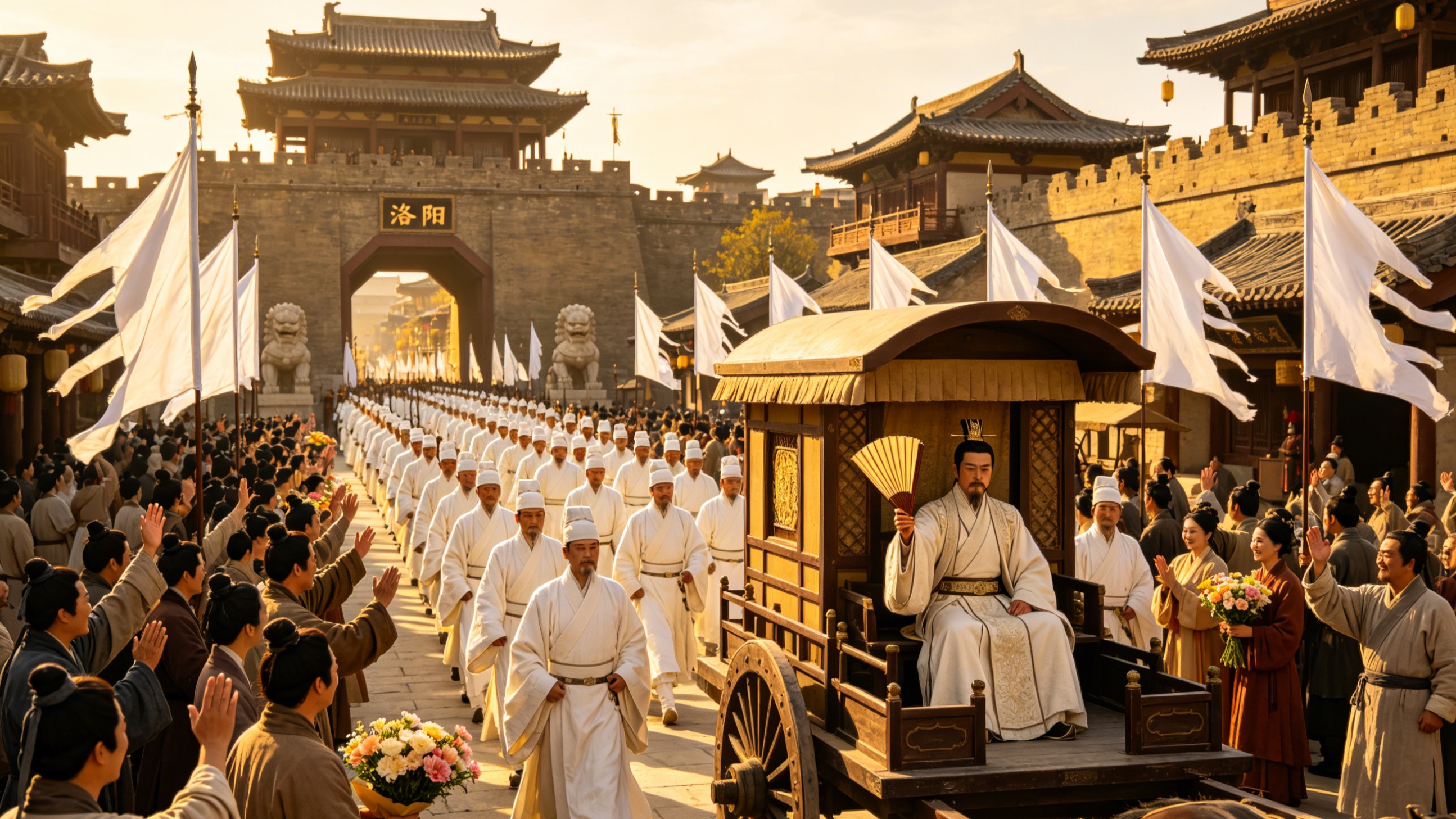
荥阳大捷的消息传开后,北魏各地守军闻风丧胆。陈庆之继续北进,白袍所至,城池望风而降。洛阳城中的北魏将领甚至主动献城,元颢顺利登基。当时北魏流传一首童谣:“名师大将莫自牢,千兵万马避白袍。”意思是说,无论你多厉害的名将,遇到白袍军最好躲远点。陈庆之以七千孤军,四十七天内连克三十二城,横扫千里,创造了中国军事史上空前绝后的奇迹。
就连北魏最勇猛的战将尔朱荣,也不敢轻易与白袍军正面交锋。他集结了数十万大军,远远地跟在白袍军后面,像一群畏惧猛虎的豺狼,只敢在远处窥伺。
四、山洪与归途
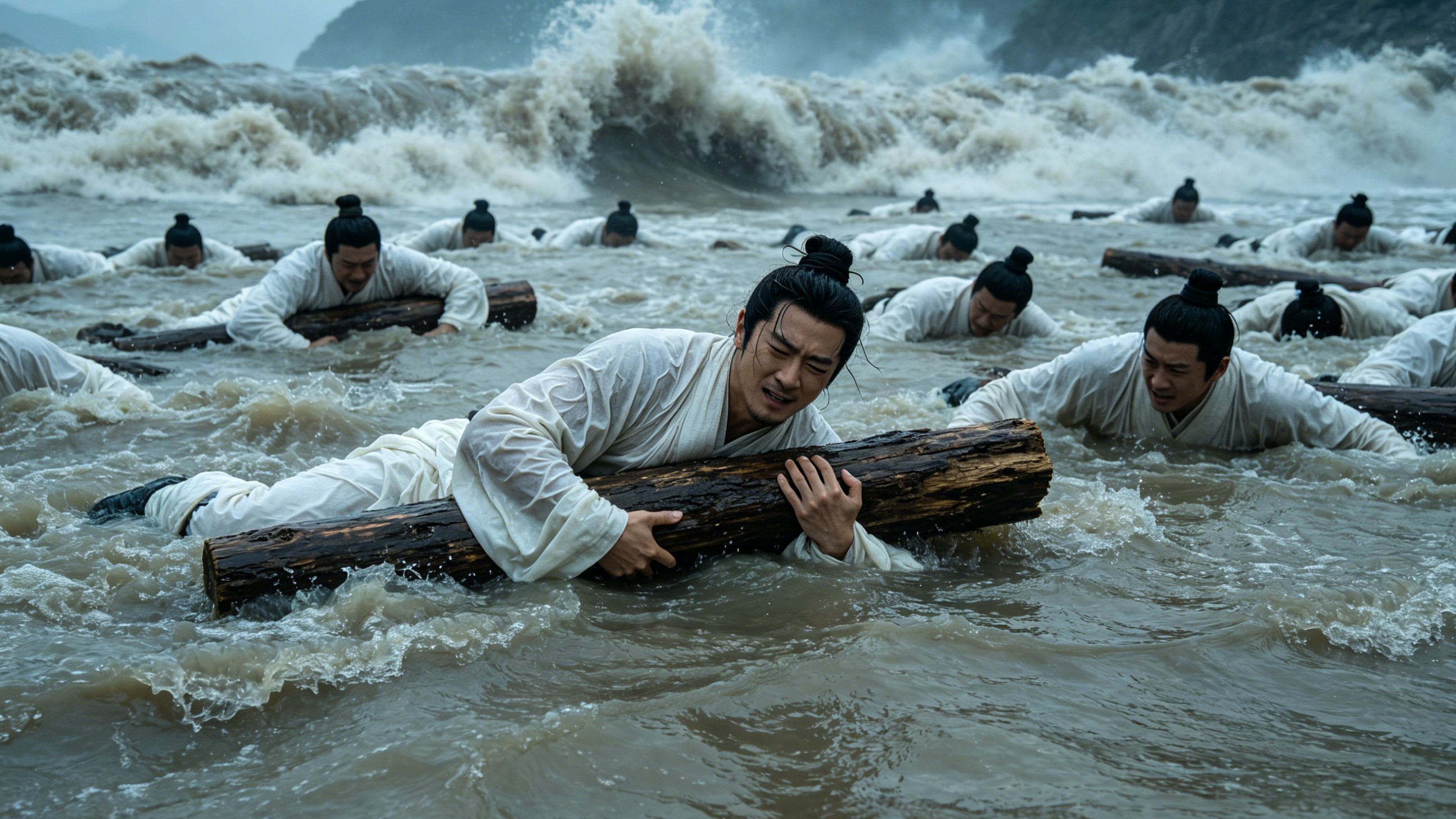
然而,元颢是个扶不起的阿斗。他登上皇位后骄奢淫逸,反而猜忌陈庆之。陈庆之得不到粮草补给,七千白袍军陷入孤立。此时,尔朱荣集结数十万大军反扑,山洪暴发,道路断绝。陈庆之无奈撤退,撤至嵩山时,突遇山洪,白袍军被洪水冲散,几乎全军覆没。陈庆之幸免于难,剃去头发、化装成和尚,一路乞讨逃回南朝。七千白袍军,生还者不足千人。
回到建康后,梁武帝没有责罚他,反而加封他为右卫将军。陈庆之望着满朝文武,平静地说:“臣本一介书生,能为国家效犬马之劳,死而无憾。”从此,他再未北伐。但他的传奇故事永远留在了史册中——那支穿白袍的军队,像一道白色的闪电,照亮了南北朝昏暗的天空。
📖 历史小知识: 陈庆之出身寒门,身体文弱,不善骑马射箭,却以七千白袍军横扫北魏,是中国历史上最传奇的文将之一。他的战绩被记载于《梁书》《资治通鉴》,后世评价:“千兵万马避白袍”,至今读来仍令人热血沸腾。
All Armies Flee the White Robes: The Legend of Chen Qingzhi
528 AD | Southern Liang · Chen Qingzhi
I. A Scholar Volunteers
In 528 AD, the Northern Wei was torn by civil war. A powerful minister, Erzhu Rong, massacred over two thousand officials. The Wei prince Yuan Hao fled to the Southern Liang, begging Emperor Wu of Liang for military support. No one in court wanted to volunteer — the Northern Wei was still a giant. Then a forty-year-old civil official stepped forward. His name was Chen Qingzhi, a mere attendant of the emperor. He had never led troops. He was physically weak, unable to draw a bow or ride a horse. Emperor Wu asked dubiously: "You can fight?" Chen smiled faintly: "I have studied military classics since childhood. I cannot shoot or ride, but I know how to command. Give me 7,000 men, and I will place Yuan Hao on the throne." After long hesitation, the emperor agreed and gave him 7,000 white-robed soldiers.
The entire army wore white robes and bright armor, moving north like a white cloud. Everyone waited to see Chen Qingzhi fail — a weak scholar with 7,000 men against the million-strong Northern Wei?
II. Bloodbath at Xingyang
Chen Qingzhi's northern expedition was like a hurricane. Starting from Zhi County, the White Robe Army marched north, capturing over thirty cities. Chen always led from the front — not by charging, but seated on a command chariot, waving a feather fan, calmly issuing orders. His army moved like a single arm. However, the true test came at Xingyang. The Northern Wei gathered 300,000 troops to surround the city, hoping to annihilate the lone force.
Chen stood before his men and said: "We have fought our way here, traveling over 7,000 li. If we show weakness now, we die. There are only 300,000 enemies; we have 7,000 — what is there to fear?" The White Robe Army's morale soared. Chen personally beat the war drums. His white-robed soldiers crashed into the enemy lines like a white tidal wave. They slaughtered tens of thousands, captured countless supplies and chariots, and took Xingyang.
III. All Armies Flee the White Robes
After the victory at Xingyang, Northern Wei garrisons panicked at the sight of white robes. Cities surrendered without a fight. Luoyang opened its gates, and Yuan Hao was enthroned. A children's rhyme spread across the north: "Famous generals, do not be proud; ten thousand armies flee the white robe." With 7,000 men, Chen captured thirty-two cities in forty-seven days, sweeping a thousand li — a miracle unparalleled in Chinese military history.
Even the fiercest Wei general, Erzhu Rong, dared not confront the White Robe Army directly. He gathered hundreds of thousands of troops but kept his distance, like wolves afraid of a tiger, only daring to watch from afar.
IV. Flash Flood and the Return
But Yuan Hao proved useless. After taking the throne, he indulged in luxury and grew suspicious of Chen Qingzhi. Chen received no supplies, and the White Robe Army was left isolated. Erzhu Rong counterattacked with hundreds of thousands. A flash flood struck, cutting off the retreat. Chen ordered a withdrawal. When they reached Mount Song, a torrential flood scattered the army; the White Robe Army was nearly wiped out. Chen survived by shaving his head, disguising himself as a monk, and begging his way back to the south. Fewer than a thousand of the original 7,000 returned.
Back in Jiankang, Emperor Wu did not punish him but promoted him. Chen said calmly: "I was just a scholar. To serve my country with all I had — I have no regrets." He never led another northern expedition, but his legend — the white-robed army like a bolt of lightning across the dark sky of the Northern and Southern Dynasties — would live forever.
📖 Historical Note: Chen Qingzhi rose from humble origins. Though physically weak and unable to ride or shoot, he led 7,000 White Robe soldiers to sweep across the Northern Wei — one of the most legendary civil generals in Chinese history. His exploits are recorded in the Book of Liang and Zizhi Tongjian. The rhyme "All armies flee the white robe" still stirs the blood today.