却月惊鸿:刘裕的逆天战阵
公元416年 | 东晋 · 刘裕 vs 北魏
一、寒门崛起的战神
公元416年,东晋太尉刘裕亲率大军北伐后秦。这位出身寒门的统帅,早年以砍柴、种地、捕鱼为生,曾因无力偿还债务被权贵绑在马桩上受辱。然而正是这个从泥泞中爬起来的男人,此刻已扫平内乱、执掌朝政,成为东晋最令敌人胆寒的将领。
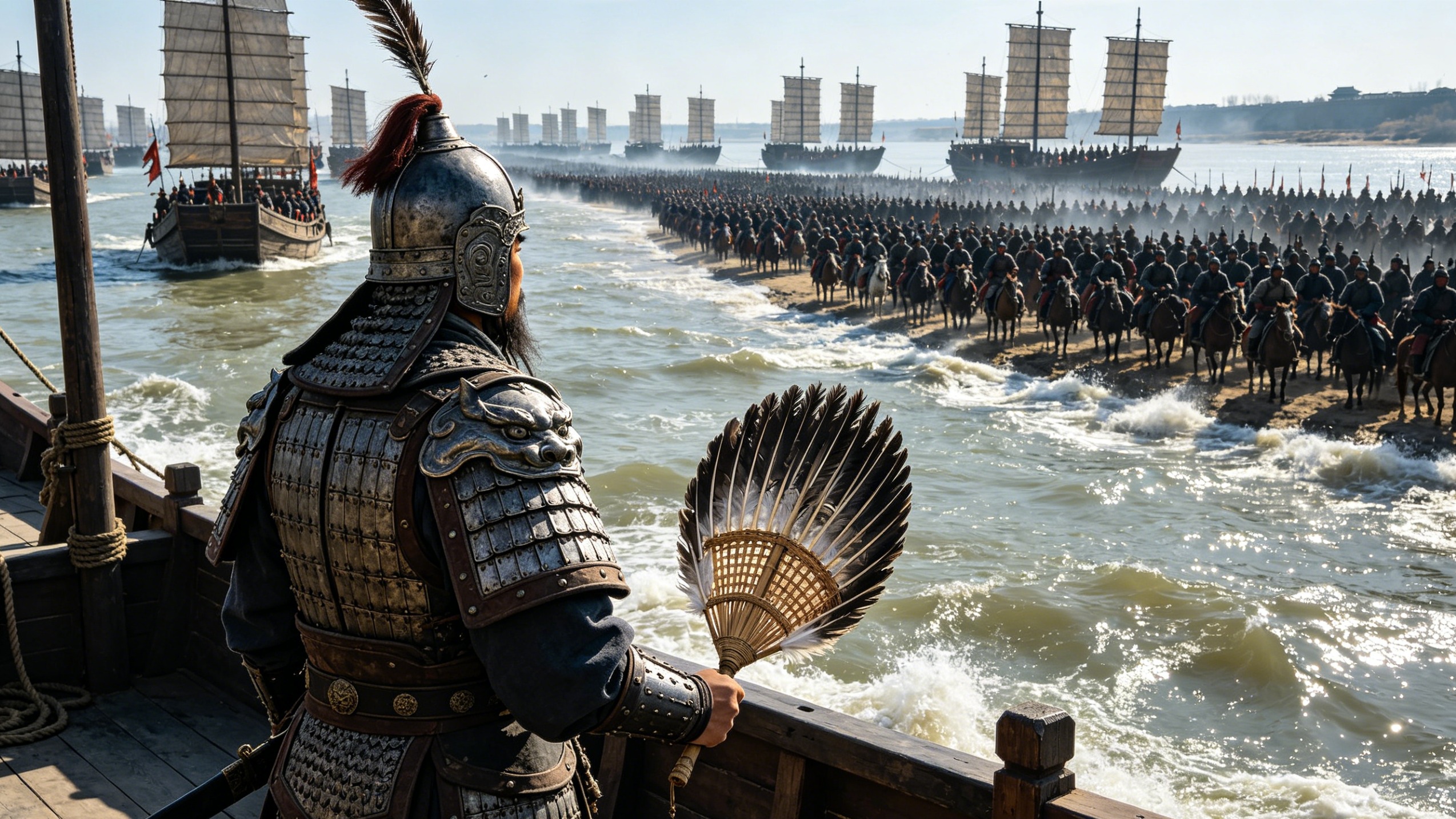
大军沿黄河西进,当船队行至黄河中游时,岸上忽然扬起漫天烟尘——三万北魏铁骑如潮水般出现在北岸,马蹄踏得大地震颤。北魏骑兵沿着河岸紧紧跟随晋军船队,箭如飞蝗射向河中的战船,晋军士兵只能举盾抵挡,前进受阻。
刘裕站在船头,望着北岸密密麻麻的骑兵,面色沉静如水。副将焦急地说:“太尉,北魏骑兵三万余众,咱们若强行登岸,怕是要吃大亏。”刘裕缓缓放下手中的羽扇,嘴角微微一挑:“谁说步兵打不过骑兵?传我将令——靠岸,布阵。”
二、新月之阵
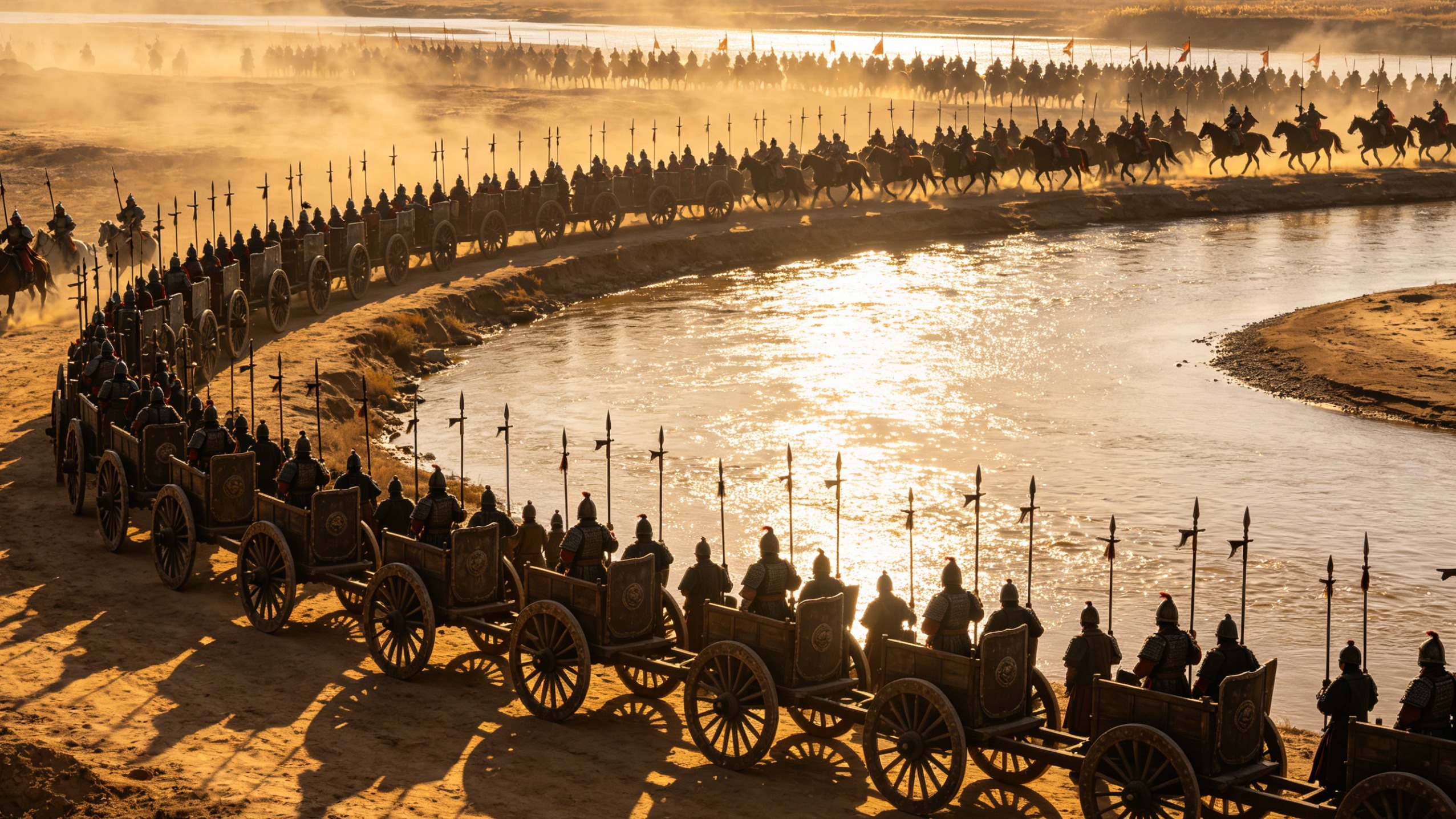
刘裕挑选了最精锐的七百名士兵,命白直队主丁旿率领,携带一百辆战车抢渡北岸。士兵们踏着冰冷的河水登上岸,在北岸距河水百余步处迅速展开——一百辆战车排成弧形,两端紧挨黄河,形如一轮新月。每辆战车上立七名士兵,手持长槊和盾牌,阵中央竖起一面巨大的白色令旗。
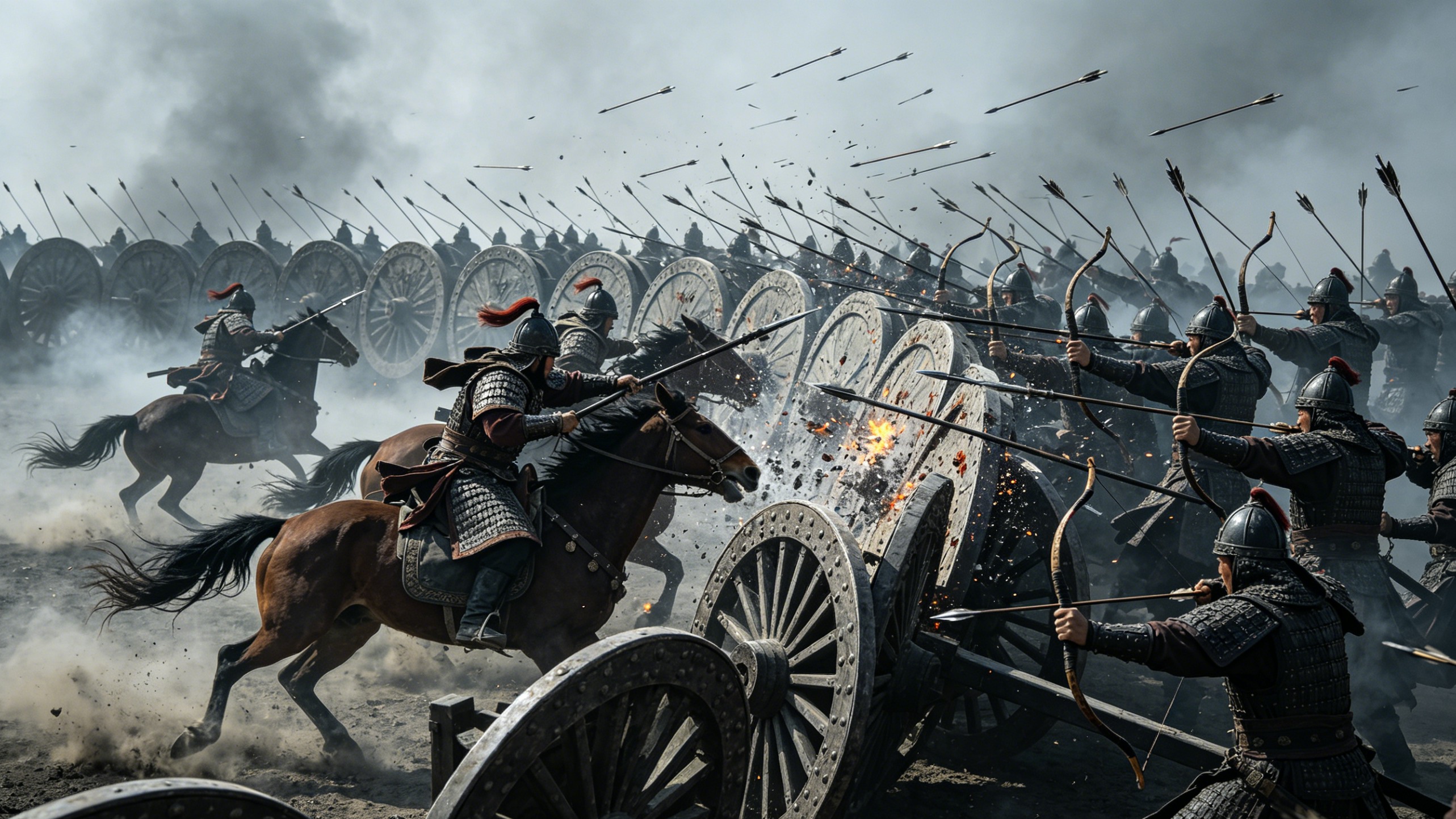
北魏将领见晋军不过数百人登岸,哈哈大笑:“刘裕这是送死吗?”随即命三千骑兵率先冲锋。铁蹄踏碎河岸的卵石,骑兵如黑色洪流般涌向那小小的弧形车阵。然而当月牙形的战车阵合拢时,北魏骑兵才发现自己撞上了一面铁壁——战车之间的缝隙中伸出密集的长槊,战马无法越过车阵,骑兵被阻在阵前,晋军弓弩手从车后精准射击,战马哀鸣着倒地,骑兵纷纷坠落。
北魏将领大惊,急调主力压上。然而那弧形车阵两翼紧靠黄河,骑兵无法从侧翼包抄,只能从正面强攻。刘裕站在阵中央的指挥车上,目光如电,不断调兵遣将,七百名士兵如一台精密的绞肉机,将一波又一波的骑兵绞碎在阵前。
三、血色黄河
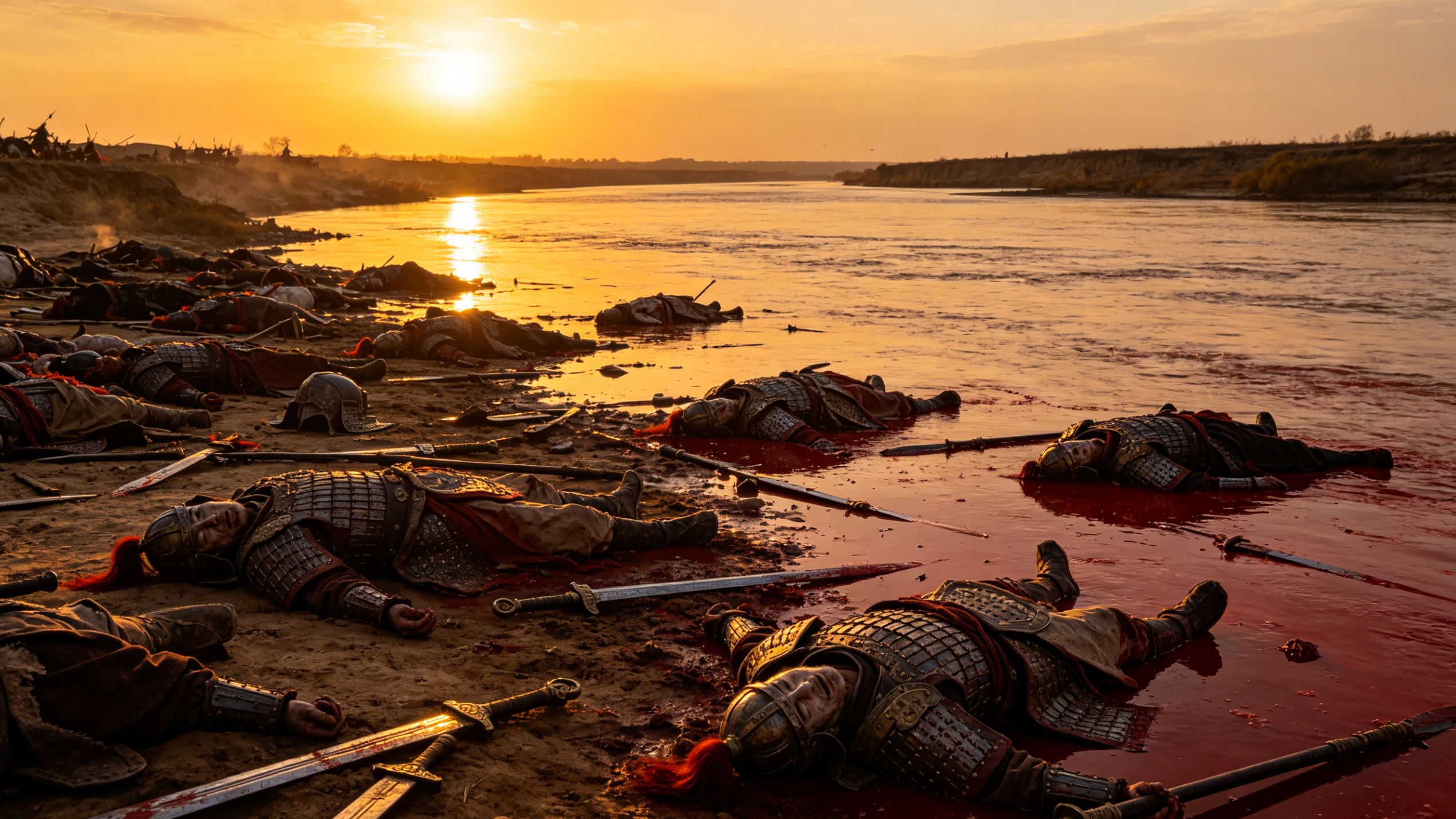
战斗从清晨持续到黄昏。黄河水被鲜血染红,北岸上堆积着密密麻麻的尸体——战马、士兵、破碎的旗帜。北魏骑兵三次大规模冲锋,三次被那新月形的车阵撞得粉碎。
更致命的是,刘裕早有后手——两百艘战船封锁了河面,船上的强弩和投石机不断向岸上抛射,北魏骑兵既要面对车阵的正面阻击,又要承受来自河面的远程打击。晋军水陆协同,如同一只收紧的铁拳,将三万骑兵死死钳在河岸与战车之间。
入夜时分,北魏军终于崩溃。剩余的骑兵四散奔逃,丢弃的盔甲、兵器铺满了数里河岸。这一战,晋军以不足三千人击溃了三万北魏铁骑,创造了冷兵器时代以步制骑的奇迹。消息传回建康,朝野震动——那个曾经被人绑在马桩上的穷小子,如今已是天下无敌的战神。
四、却月入史
却月阵的胜利,不仅打通了晋军西进的道路,更让刘裕的威名震撼了整个北方。此后他连克洛阳、长安,灭后秦,收复了沦陷近百年的关中故地。公元420年,刘裕代晋称帝,建立南朝宋,史称“宋武帝”。
“却月阵”从此载入史册,成为中国古代兵车战法的巅峰之作。而那个从寒门走出的男人,用一场场不可思议的胜利告诉世人——英雄不问出处,金戈铁马的声响,足以穿透千年时光。
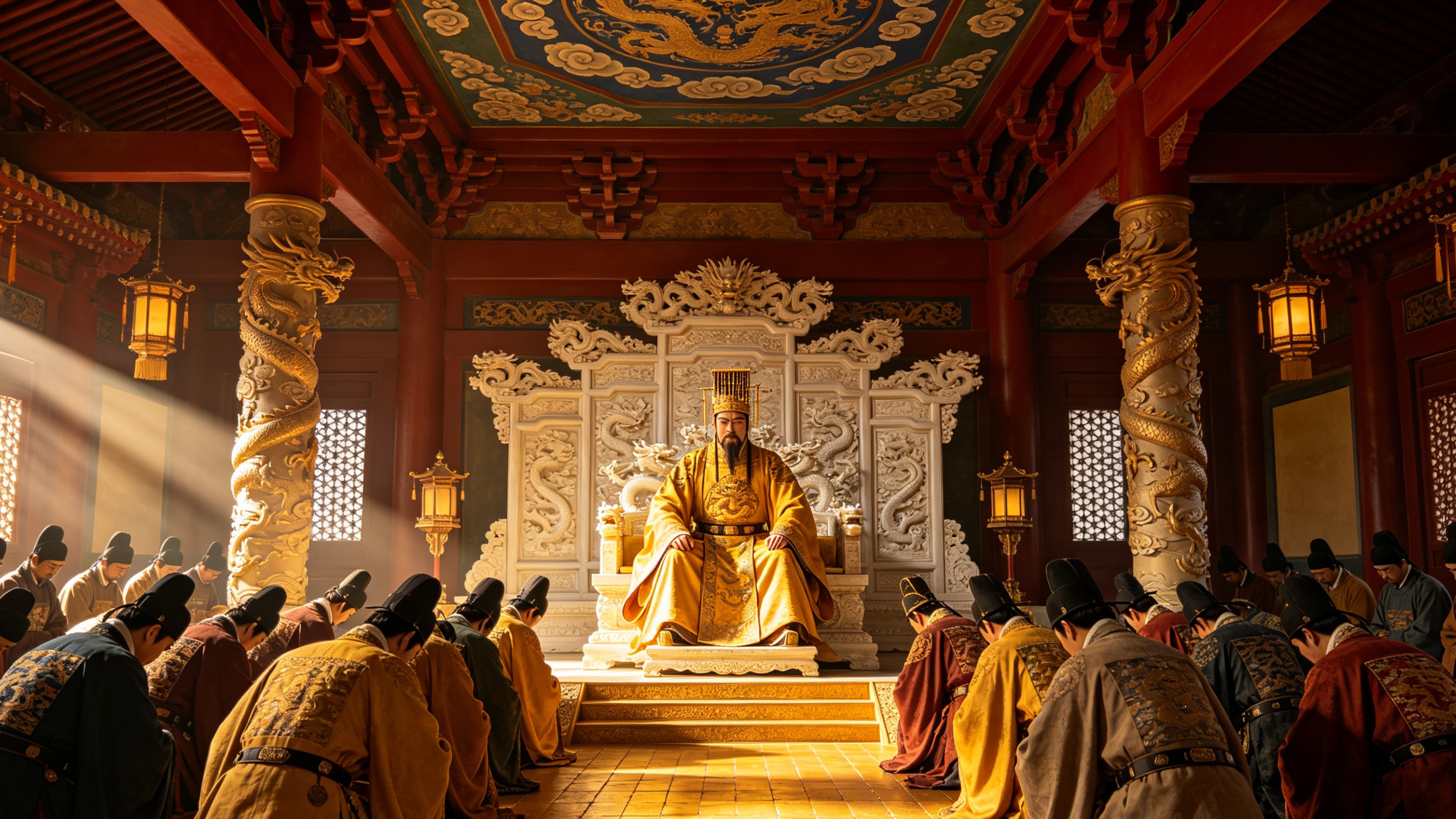
📖 历史小知识: “却月阵”是刘裕独创的步兵克制骑兵的经典战法,以战车结阵、水陆协同为核心。此战之后,刘裕一路西进,攻克长安,灭后秦,成为南朝最杰出的军事统帅之一。《资治通鉴》详细记载了这场战役的全过程。
The Crescent Formation: Liu Yu's Miracle Battle
416 AD | Eastern Jin · Liu Yu vs Northern Wei
I. The Rise of a Warrior
In 416 AD, Liu Yu, Grand Commandant of the Eastern Jin, led a grand northern expedition against the Later Qin. Born into poverty, he had once worked as a woodcutter, farmer, and fisherman, and was even tied to a hitching post by creditors. Yet this man who rose from the mud had now pacified internal rebellions and seized control of the court.
As his fleet sailed along the Yellow River, a cloud of dust rose on the northern bank — thirty thousand Northern Wei cavalry appeared like a tidal wave, their hooves shaking the earth. They followed the fleet, raining arrows onto the ships.
Liu Yu stood on the prow, his face calm as still water. "Who says infantry cannot defeat cavalry?" he said. "Bring the ships to shore. Deploy the formation."
II. The Crescent Formation
Liu Yu selected 700 elite soldiers and 100 war chariots, ordering Ding Wu to lead them across to the northern bank. The soldiers waded through the icy water and quickly deployed — the chariots formed an arc with both ends touching the river, shaped like a crescent moon. Seven soldiers stood on each chariot, armed with long spears and shields.
The Wei general laughed: "Is Liu Yu sending them to die?" He ordered 3,000 cavalry to charge. But when the crescent formation closed, the cavalry found themselves crashing into an iron wall — dense rows of long spears extended from between the chariots. The Wei general threw in his main force, but the formation's flanks were protected by the river.
III. The Bloody Yellow River
The battle raged from dawn to dusk. The Yellow River was stained red. Three massive charges — all shattered against the crescent formation. Meanwhile, 200 warships on the river rained arrows and stones onto the Wei cavalry. Trapped between the chariots and the river, the 30,000 cavalry were ground to pieces.
By nightfall, the Wei army collapsed. The remnants fled, abandoning weapons and armor across miles of riverbank. Liu Yu's 2,700 infantry had crushed 30,000 cavalry — a miracle of military history.
IV. A Legend Forever
This victory opened the road west. Liu Yu went on to capture Luoyang and Chang'an, destroying the Later Qin and recovering lands lost for nearly a century. In 420 AD, he founded the Liu Song dynasty.
The "Crescent Formation" was recorded in history as one of ancient China's greatest military innovations. And the man who rose from poverty proved that heroes are not born — they are forged in the fire of battle.
📖 Historical Note: The "Crescent Formation" was Liu Yu's invention for using infantry against cavalry, combining chariots, shields, and naval support. Liu Yu's northern campaign destroyed the Later Qin and established him as one of the greatest military commanders of the Southern Dynasties.